Connecticut Shade Tobacco: A Legacy of Excellence in Cigar Wrappers
While cigar enthusiasts often associate tobacco cultivation with tropical regions like the Dominican Republic, Central America, and Cuba, the Connecticut River Valley has been a world-renowned centre for tobacco growing for centuries. Known for producing the iconic golden Connecticut Shade wrapper, this fertile region holds a unique place in the history of cigars.
The Connecticut River Valley: A Tobacco Growing Haven
A Region Shaped by Nature
The Connecticut River Valley extends from East Haddam, Connecticut, to the lower part of Vermont, encompassing rich, silty soil deposited by ancient glaciers. This unique soil, combined with the region’s temperate climate, creates ideal conditions for growing premium tobacco. For centuries, the valley has attracted skilled farmers who have perfected the craft of cultivating high-quality leaves.

Photo by Rusty Watson on Unsplash
A Quick History of Connecticut Tobacco
From Mayan Beginnings to Colonial Cultivation
Tobacco’s roots trace back to the Mayan civilisation in Central America, where cigars emerged as early as the 10th century. As Mayan culture spread, so did knowledge of tobacco, reaching regions as far as Canada and Chile. Following Columbus’s expeditions in 1492, tobacco became a staple in Europe, prized for its unique flavour and versatility.
Colonial America saw its first cigar-suitable crops planted in Windsor, Connecticut, around 1640. Known as Connecticut Broadleaf, these early tobaccos were sun-grown, resulting in rugged, thick leaves suitable for binders and wrappers. This variety dominated the region’s production until the dawn of a transformative era in the 20th century.
The Birth of Connecticut Shade Tobacco
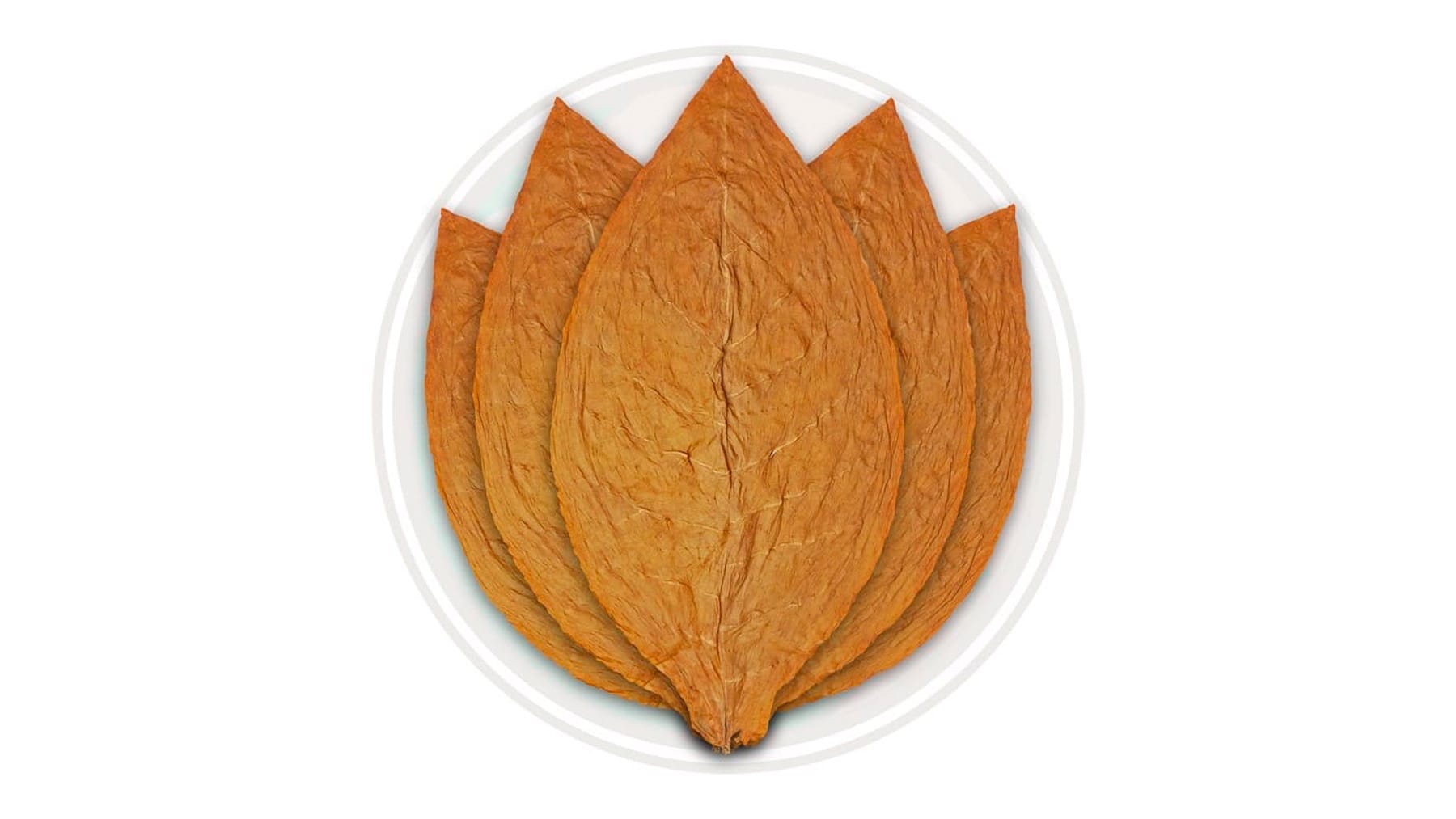
Around 1900, cigar-makers faced stiff competition from Sumatra-seed tobacco, which was celebrated for its smooth, delicate texture. Connecticut growers responded by experimenting with Sumatra-seed tobacco cultivated under shade. By constructing cheesecloth tents over their crops, they discovered that diffused sunlight produced thinner, more refined leaves with faint veins. After curing and ageing, these leaves developed a golden-blond hue, ideal for wrappers. Thus, the iconic Connecticut Shade tobacco was born.
The Modern Shade-Growing Process
From Cheesecloth to Nylon Mesh
Today, nylon netting has replaced traditional cheesecloth in shading tobacco crops. The fabric is stretched over a grid of posts, diffusing sunlight while capturing humidity and raising temperatures beneath the canopy. This method not only protects the plants but also enhances the quality of the leaves by encouraging uniform growth and texture.
The shade-growing process has expanded beyond Connecticut to countries like Ecuador, Nicaragua, Honduras, and the Dominican Republic. While many cigars boast the “Connecticut Shade” designation, their wrappers are often grown outside the United States. Ecuador, in particular, has emerged as a major producer of shade-grown tobacco, with its consistent cloud cover providing natural sun filtration.

Connecticut Shade Tobacco: Past and Present
A Declining But Resilient Industry
Tobacco production in Connecticut peaked in the 1930s, with tens of thousands of acres dedicated to cultivation. Today, this number has dwindled to just 2,000 acres. The Connecticut Valley Tobacco Historical Society, founded in 1987 by industry veteran John E. Luddy, works to preserve the region’s rich heritage. Despite the decline, Connecticut Shade remains a cornerstone of the cigar industry, renowned for its quality and exclusivity.
The Signature Profile of Connecticut Shade
Connecticut Shade wrappers are celebrated for their elegant, refined flavour profile. They deliver a mild, creamy smoke with subtle sweetness, making them a favourite among cigar blenders. These wrappers are also prized for their visual appeal, featuring a smooth texture and consistent golden hue that elevates the aesthetics of any cigar.
Why Connecticut Shade Wrappers Are So Expensive
Labour-Intensive Cultivation
The process of cultivating Connecticut Shade is highly labour-intensive. From erecting shading structures to managing precise curing techniques, every step requires meticulous attention. The shorter growing season in the Connecticut River Valley further adds to production costs, making these wrappers a premium product.
Despite the high costs, Connecticut Shade wrappers remain irreplaceable in the world of premium handmade cigars. Their consistent quality and mild flavour ensure they remain a top choice for cigar manufacturers and enthusiasts alike.
Connecticut Shade’s Role in Modern Cigars
While Connecticut Shade wrappers are no longer exclusively grown in their namesake valley, their legacy endures. Leading cigar brands continue to rely on these wrappers for their flagship products, blending them with diverse fillers and binders to create sophisticated flavour profiles.
For enthusiasts seeking a smooth, mild smoke with impeccable craftsmanship, Connecticut Shade-wrapped cigars remain an essential part of the cigar experience. Whether cultivated in the Connecticut River Valley or abroad, these wrappers exemplify the artistry and tradition that define the world of cigars.
Final Thoughts: The Timeless Appeal of Connecticut Shade
Connecticut Shade tobacco represents a fascinating intersection of history, innovation, and artistry. Its journey from colonial fields to modern humidors highlights the adaptability and ingenuity of tobacco growers.
Whether you’re a seasoned aficionado or new to cigars, exploring Connecticut Shade-wrapped cigars is a must. Their mild, creamy flavour and luxurious appearance make them a staple in any collection, embodying the enduring legacy of the Connecticut River Valley.