Why Are Cuban Cigars Illegal in the United States?
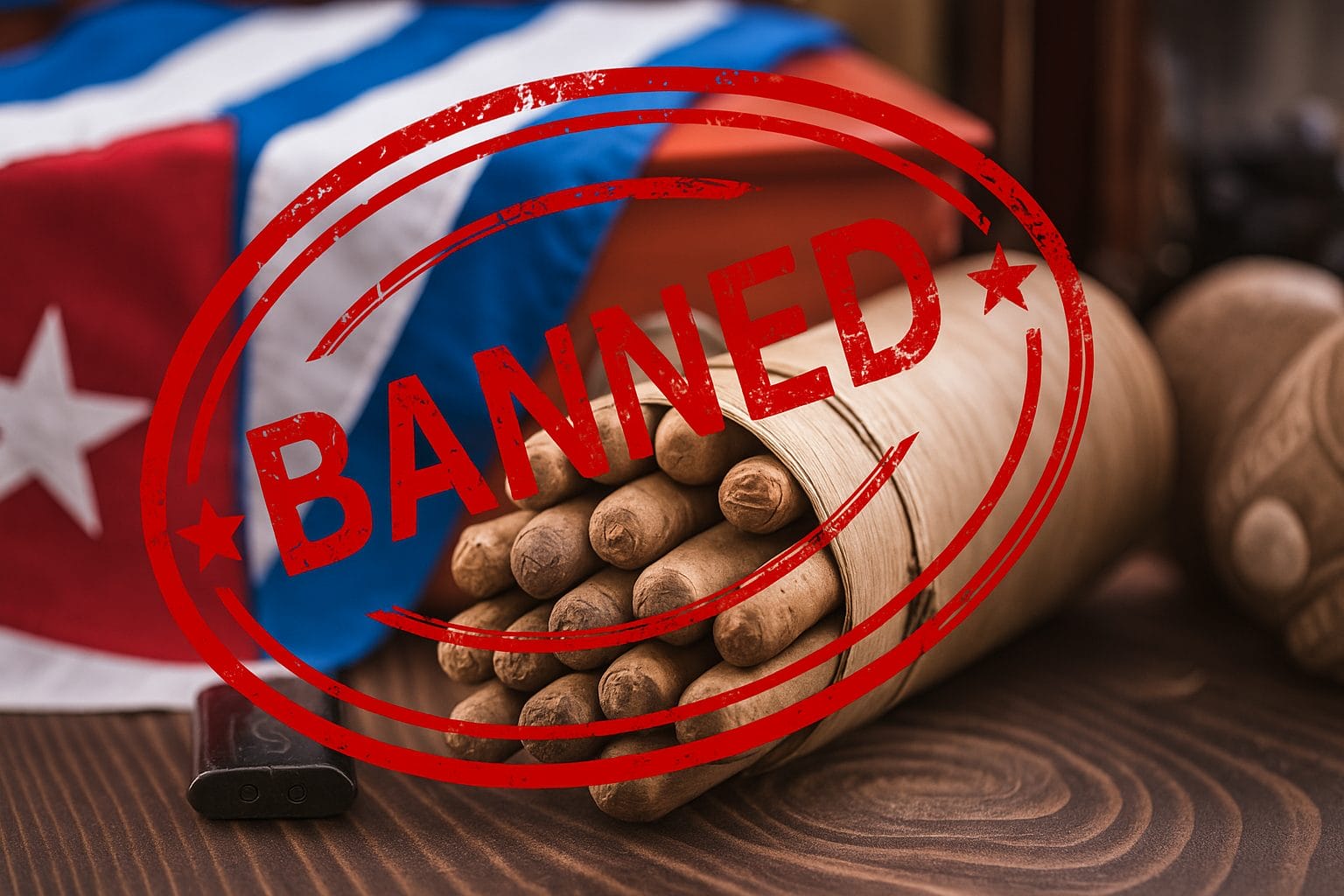
For decades, Cuban cigars have symbolised luxury, sophistication, and a hint of rebellion. They are praised worldwide for quality and flavour, yet remain banned in the United States. The reason? A political and economic standoff that began more than 60 years ago.
The Roots of the Ban
In the early 1960s, President John F. Kennedy imposed a full trade embargo on Cuba. This was in response to Fidel Castro’s nationalisation of American-owned businesses and his alliance with the Soviet Union during the Cold War.
The embargo banned the import of Cuban goods—including cigars—in an effort to weaken the Cuban economy and push for democratic reforms.
Why Cuban Cigars Are So Desired
Cuban cigars are hand-rolled by skilled artisans using traditional techniques passed down for generations. Their tobacco is grown in Cuba’s fertile soils, producing unique flavour profiles. Cuba is the original birthplace of cigars and for decades Cuban cigars were the best. Although now countries as Nicaragua, Honduras and the Dominican Republic make amazing cigars too, Cuba still has the reputation, whether that is deserved or not.
For enthusiasts, they represent craftsmanship, prestige, and exclusivity—qualities that make them even more appealing when they’re off-limits.

Legal Status Today
Under current U.S. law, importing Cuban cigars is illegal for both individuals and businesses. The ban applies to all Cuban-origin goods, no matter where they were purchased.
Violators can face:
- Confiscation of cigars
- Heavy fines
- Criminal prosecution
Businesses risk losing their import/export licences.
Black Market Demand
Despite the ban, demand in the U.S. is strong, fuelling a black market. Collectors and smokers are willing to take the risk for what they see as the ultimate smoke.
However, black market purchases carry dangers—counterfeits are common, quality is uncertain, and penalties for being caught are steep.

Alternatives Worth Exploring
While Cuban cigars hold a special place in the cigar world, many aficionados agree they aren’t always the best option. Countries like Nicaragua, the Dominican Republic, and Honduras produce exceptional cigars using Cuban-seed tobacco.
These alternatives often rival or surpass Cuban cigars in consistency, flavour range, and construction. They are also widely and legally available in the United States.
The Future of Cuban Cigars in America
Some progress towards easing restrictions has occurred, including brief policy shifts that allowed small personal imports. However, these changes have been rolled back, and the full embargo remains in place.
If diplomatic relations improve, Cuban cigars could one day return legally to U.S. shelves. Until then, American smokers must enjoy them abroad—or explore the vast world of non-Cuban cigars.