The Art of Cigar Aging: A Guide to Elevating Your Smoking Experience
Cigar enthusiasts often liken cigar aging to fine wine aging, where time transforms a good cigar into something truly exceptional. But what exactly is cigar aging, and how does it affect the flavour and character of your favourite smokes? Let’s explore the fascinating world of cigar aging.
What is Cigar Aging?
Cigar aging is the process of allowing cigars to rest and mature in optimal conditions over an extended period. During this time, the flavours, aromas, and overall smoking experience can evolve and improve. Think of it as enabling the tobaccos in the cigar blend to marry and mellow, resulting in a smoother, more complex smoke.
The Aging Process
Creating the Right Environment
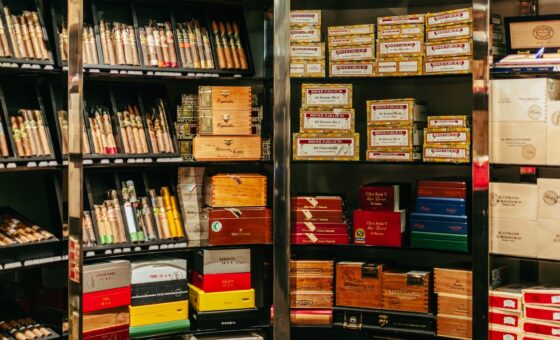
Proper cigar aging relies on maintaining the correct environment. Cigars are typically aged in a controlled space with stable temperature and humidity levels, such as a humidor. These conditions allow cigars to breathe and develop gradually, without drying out or becoming overly moist.
Chemical Changes in Tobacco
As cigars age, several chemical processes occur within the tobacco, including oxidation and the breakdown of certain compounds. These changes contribute to smoother, more refined flavours and a balanced aroma.
How Does Aging Affect Flavour?
Aging can dramatically transform a cigar’s flavour profile, yielding several noticeable effects:
- Mellowing of Harshness: Young cigars often contain sharp or harsh notes. Over time, these mellow, resulting in a smoother and more enjoyable smoke.
- Enhancement of Complexity: Subtle nuances emerge as cigars age, deepening the complexity of flavours. Expect notes of cedar, leather, spice, and even hints of sweetness to become more pronounced.
- Improved Body and Balance: Aged cigars exhibit a rounder, fuller body, with flavours blending harmoniously for a balanced smoking experience.
- Reduction of Bitterness: Any bitterness or astringency in young cigars diminishes with age, leaving behind a cleaner, more refined taste.
How Long Should You Age Cigars?
The ideal aging time depends on the cigar’s blend, construction, and personal preference. Some cigars benefit from a few months of aging, while others improve significantly after several years. Experimentation is key: set aside a few cigars from each batch and sample them at different intervals to determine your preferred aging period.
Tips for Successful Cigar Aging
Maintain Optimal Conditions
Keep your humidor calibrated to a stable temperature of 65-70°F (18-21°C) and a relative humidity of 65-70%. Avoid frequent fluctuations in these conditions, as they can disrupt the aging process.
Rotate and Inspect
Rotate your cigars periodically to ensure even aging and inspect them regularly for signs of mould or damage. Proper airflow within the humidor is essential, so avoid overcrowding.
Exercise Patience
Patience is crucial when aging cigars. While it’s tempting to smoke them immediately, allowing time for maturation will reward you with a significantly enhanced smoking experience.
Can You Mix Cigars While Aging?
Yes, you can age different natural cigars together, including Cubans and non-Cubans. However, avoid storing flavoured or infused cigars alongside natural ones, as the infused cigars’ flavours can overpower the natural aromas of your other sticks.
It’s worth noting that the “marriage of flavours” in mixed cigars is minimal and takes years to occur, so you’re unlikely to notice a difference unless you have an exceptionally trained palate.
The Rewards of Aging Cigars
Cigar aging is both an art and a science, requiring dedication, patience, and a discerning palate. Understanding the effects of aging and adhering to proper practices can elevate your smoking experience to unparalleled heights.
Next time you acquire a new batch of cigars, consider setting a few aside for aging. Whether you’re a seasoned aficionado or new to the world of cigars, aging offers a rewarding journey into flavour exploration that will leave you craving more.