Are Cuban Cigars Still Worth Collecting in 2025?
Cuban cigars have long been treated as collectible, but with recent price hikes and changing demand, that status is no longer guaranteed.
For decades, cigar collectors operated with a simple formula. Buy a box at a reasonable price, store it carefully, and let time do the work. Aging improved the smoking experience, and scarcity raised the market value. Limited editions, and discontinued lines, were especially desirable. Prices for these cigars usually rose slowly and steadily over time, and even if they did not appreciate significantly, they remained smokeable luxuries. There was little downside.
What made this system viable was the low entry point. A box of Cuban cigars in the early 2000s or even mid-2010s might cost two or three hundred dollars. This was low enough that most enthusiasts could afford to buy extra boxes with no intention of smoking them. If the cigars aged well and increased in value, that was a bonus. If not, they could still be enjoyed personally. The entire idea of cigar collecting was built on accessibility, patience, and the consistent reputation of Cuban production.
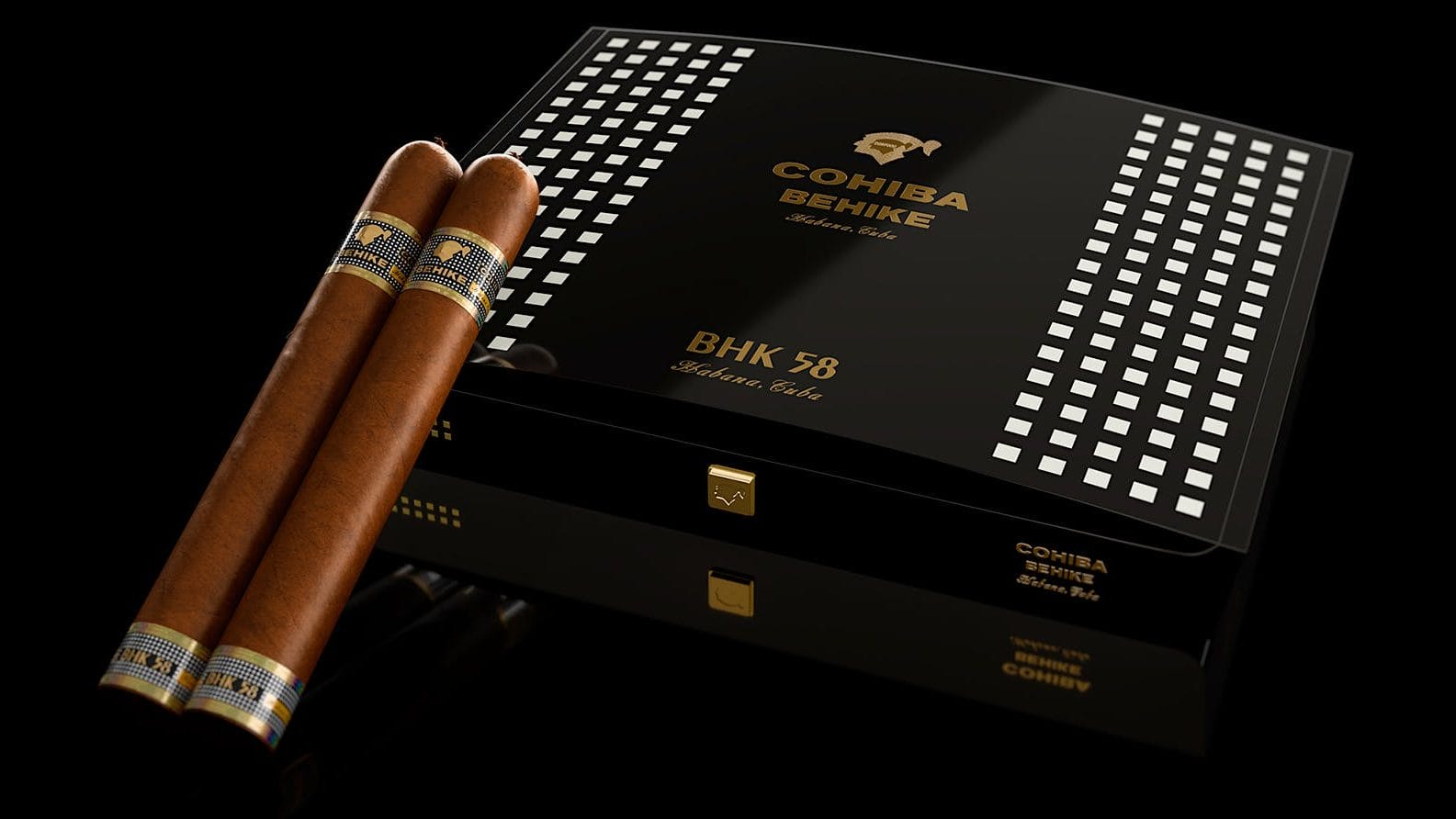
That model has changed. In recent years, Habanos S.A. implemented aggressive price increases, beginning with flagship brands like Cohiba and Trinidad. Prices tripled in many markets. Cigar lines that once cost a few hundred dollars per box now retail at over one thousand. This broke the collecting formula. The price point now starts at what was once the end point. Collectors are being asked to pay future value prices today. This leaves almost no space for growth. Holding cigars in storage for five or ten years makes less financial sense when the margin between retail and future resale is potentially razor thin.
Has the Market Accepted These Prices?
Despite the confidence shown by Habanos and its global partners, the secondary market tells a more complicated story. Look at major online retailers and auction sites and you will see slow movement across several brands and vitolas. Retailers in Europe and Asia have reported sluggish sales for newly released boxes, and auction prices often fall short of retail value. Many limited editions launched in the past two years are still available months later. That used to be rare. Now it is common.
This suggests that the market has not fully embraced the price increases. While some die-hard smokers and collectors continue to buy, a large portion of the market appears cautious. The high prices have not been matched by equally high demand. And that puts pressure on the idea of cigars as collectibles. When buyers are no longer confident that prices will rise, the motivation to invest long term disappears.
Trinidad Facing Resistance

Trinidad is perhaps the clearest example of what happens when price moves faster than demand. Once a quiet favourite among experienced smokers, Trinidad was elevated to the same tier as Cohiba. The prices followed. But the market did not. Since the price increase, most of the Trinidad portfolio has struggled to sell. Boxes of Esmeralda, Topes, and other vitolas are readily available across Europe, often sitting untouched for months. Retailers have reported that sales have slowed significantly.
This is not due to poor product quality. Trinidad never had the mass appeal or collector reputation of Cohiba. Its price increase was not matched by market confidence. For many buyers, the cigars no longer justify the cost.
Having said that, the Trinidad Fundadores remains in strong demand despite the price hike. In premium markets like the United Kingdom, it continues to sell out. Distributors have difficulty keeping it on shelves, and collectors regularly hunt for it. This shows that within even a struggling brand, certain cigars can retain or even grow their value. Limited editions from Trinidad have also performed well, particularly in curated markets where availability is tightly controlled. Collectibility still exists, but it is now more fragmented and specific.
Will Today’s Expensive Cigars Be Even Pricier Later?
Despite the uncertainty in the current market, one truth remains consistent. Cigar prices tend to rise over time. A Cohiba that felt expensive ten years ago is now seen as affordable compared to its current price. Historical data supports the idea that retail prices rarely drop. If that pattern continues, cigars that seem expensive in 2025 may look like bargains in ten years. This alone keeps many collectors engaged.
Limited production, strong branding, and global demand continue to drive value. As supply chains remain tight and luxury markets grow, premium cigars still have long-term appeal. The challenge is no longer whether cigars will go up in price, but which ones will. Some limited editions and core vitolas are likely to appreciate significantly. Others may fade without ever gaining traction. There is no guaranteed formula anymore. Collecting cigars has shifted from being a low-risk habit to a selective, calculated process.
Final Thoughts
Cigars are still collectible, but not in the way they used to be. The easy gains are gone. The simple strategy of buy and wait has been replaced by something far less predictable. The entry cost is high, the risk is real, and the market is volatile. That said, there are still cigars worth collecting. Some will rise in value. Some already are. But success now depends on careful choices, market awareness, and a willingness to hold long term without guarantees. Collecting cigars has not died. It has just become a much more serious game.