Candela Wrappers: A Unique and Divisive Chapter in Cigar History
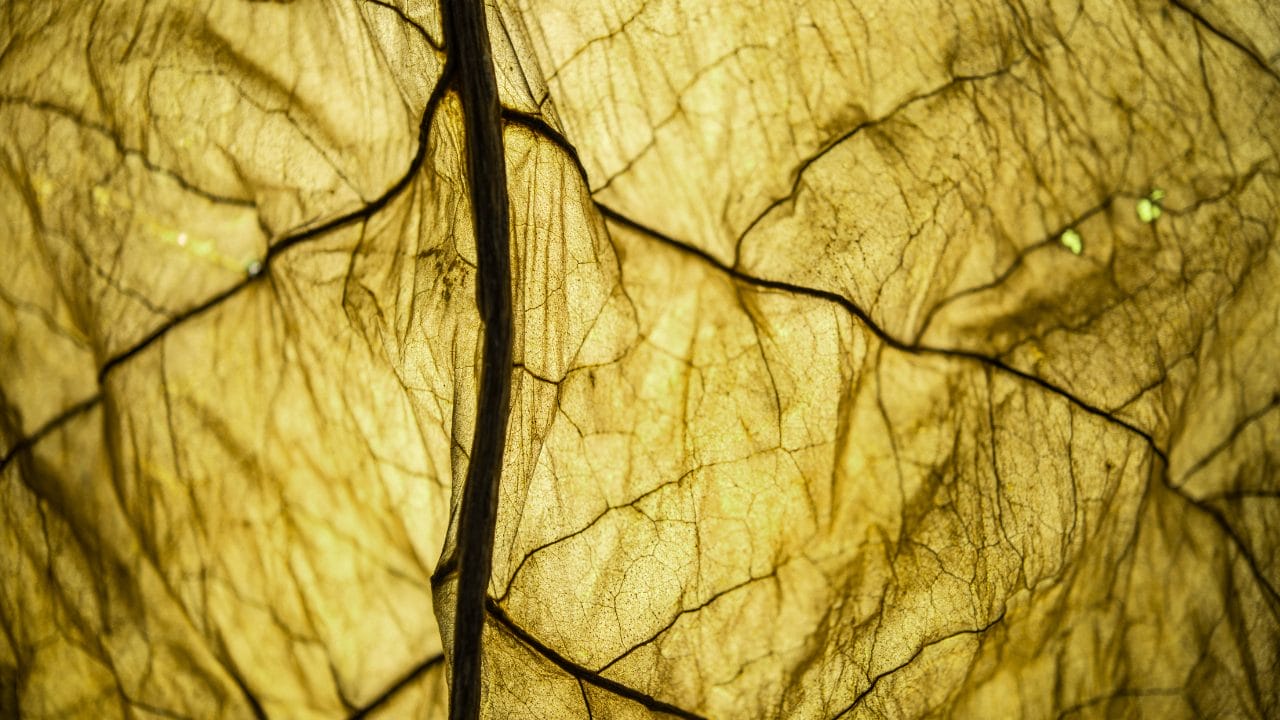
Candela wrappers, with their striking green hue, are a polarising feature in the cigar world. Some view them as a novelty, while others appreciate their distinctive flavour profile. Whether used traditionally or as a decorative element, understanding their history and production reveals why this once-popular wrapper is far more than a gimmick.
The History of the Candela Wrapper
A Green Legacy Born in Cuba
Candela wrappers, often called ‘American Market Selection,’ were once the most popular choice among American cigar smokers. Their origins date back to the 1940s in Cuba, when farmers accidentally discovered a method to cure tobacco rapidly by exposing it to intense heat.
In the rush to meet soaring demand for cigars, this process was embraced for its efficiency. Unlike traditional curing, which takes weeks and allows chlorophyll to break down naturally, this method locked chlorophyll into the leaves, resulting in their signature green colour. What began as an accidental innovation soon became a preferred style for its mild flavour.
The Decline of Candela Popularity
Candela enjoyed widespread acclaim until the Cuban embargo disrupted its production. Attempts to replicate the flavour using non-Cuban tobacco initially fell short, as early efforts yielded a sour taste that failed to appeal. By the time other countries mastered the curing process, smokers had moved on to natural brown wrappers, marking the decline of Candela as the market’s dominant wrapper.

What Makes Tobacco Green?
The Role of Heat in Curing
The secret to Candela’s green hue lies in the curing process. Unlike traditional methods that rely on natural ageing and fermentation, Candela wrappers are cured using intense heat. This method locks chlorophyll into the leaves, preventing them from turning brown.
The process begins with harvesting the leaves before full maturity. In sealed curing barns, temperatures are gradually raised from 32°C (90°F) to 38°C (100°F) over two days, turning the leaves a uniform green. To address the stems, which are more resistant, temperatures are briefly raised to 80°C (175°F).
After curing, farmers open the barn vents at night to allow moisture in, using dew or steamers to keep the tobacco pliable. This rapid curing process eliminates the need for extended fermentation or ageing, though the tobacco must be stored in refrigerated conditions to maintain its characteristics.
Candela’s Distinctive Flavour
A Unique Smoking Experience
Candela wrappers bring a grassy, fresh flavour to cigars, often described as herbal or slightly sweet. While not universally loved, this profile sets Candela apart, offering a smoking experience that contrasts sharply with the earthy and rich notes of Maduro or natural wrappers.
When crafted with care, Candela-wrapped cigars deliver a smooth and distinctive taste that appeals to adventurous smokers. Brands such as Illusione, Arturo Fuente, and Kafie 1901 respect this tradition, showcasing Candela in its best light.
Candela in Modern Cigars: Gimmick or Artistry?
Respectful Use of Candela
Some cigar manufacturers honour Candela’s legacy by using it traditionally as a full wrapper. Renowned brands like Arturo Fuente and Illusione craft cigars that highlight Candela’s unique qualities, providing a genuine representation of this historic wrapper.
Candela as a Decorative Element
However, Candela is often employed in less traditional ways. Many brands use it decoratively, incorporating it into barber pole designs or as accents on natural cigars. Examples include the Alec Bradley Filthy Hooligan, Shamrock, and Asylum Ogre—a playful barber pole cigar inspired by the green character Shrek.
Some limited-edition cigars, like RoMa Craft’s Black Irish and Black Studio Works Killer Bee, use thin strips of Candela for striking visual effects. While these cigars may draw attention for their aesthetics, purists often view such uses as gimmicks.
Should You Try Candela Cigars?
For cigar enthusiasts curious about Candela, the best way to form an opinion is to explore its offerings. Start with reputable brands such as Arturo Fuente, Illusione, and Rocky Patel, which produce traditional Candela-wrapped cigars.
For a more playful experience, try barber pole cigars like the Asylum Ogre or Alec Bradley Filthy Hooligan, which blend Candela with natural wrappers for visual and flavour complexity. Additionally, unique creations like Stogie Roads Sweet Grass Gringo provide a modern take on Candela’s appeal.
Final Thoughts: A Wrapper Worth Exploring
Candela wrappers stand as a testament to the cigar industry’s history of innovation and adaptation. Though its popularity has waned, Candela continues to offer a distinctive flavour profile and aesthetic appeal. Whether you view it as a novelty or a nod to tradition, Candela remains an intriguing option for any cigar aficionado seeking something different.
Dive into the world of Candela cigars and discover whether their grassy, fresh notes align with your palate. Whether for nostalgia, novelty, or genuine appreciation, Candela invites you to experience a unique chapter in cigar history.