Cohiba in Court: How One Name Defines the Cigar World’s Class Divide
The battle over the Cohiba name is more than a legal issue, it’s a fight for brand identity, authenticity, and the meaning of luxury in the cigar world.
Why This Still Matters
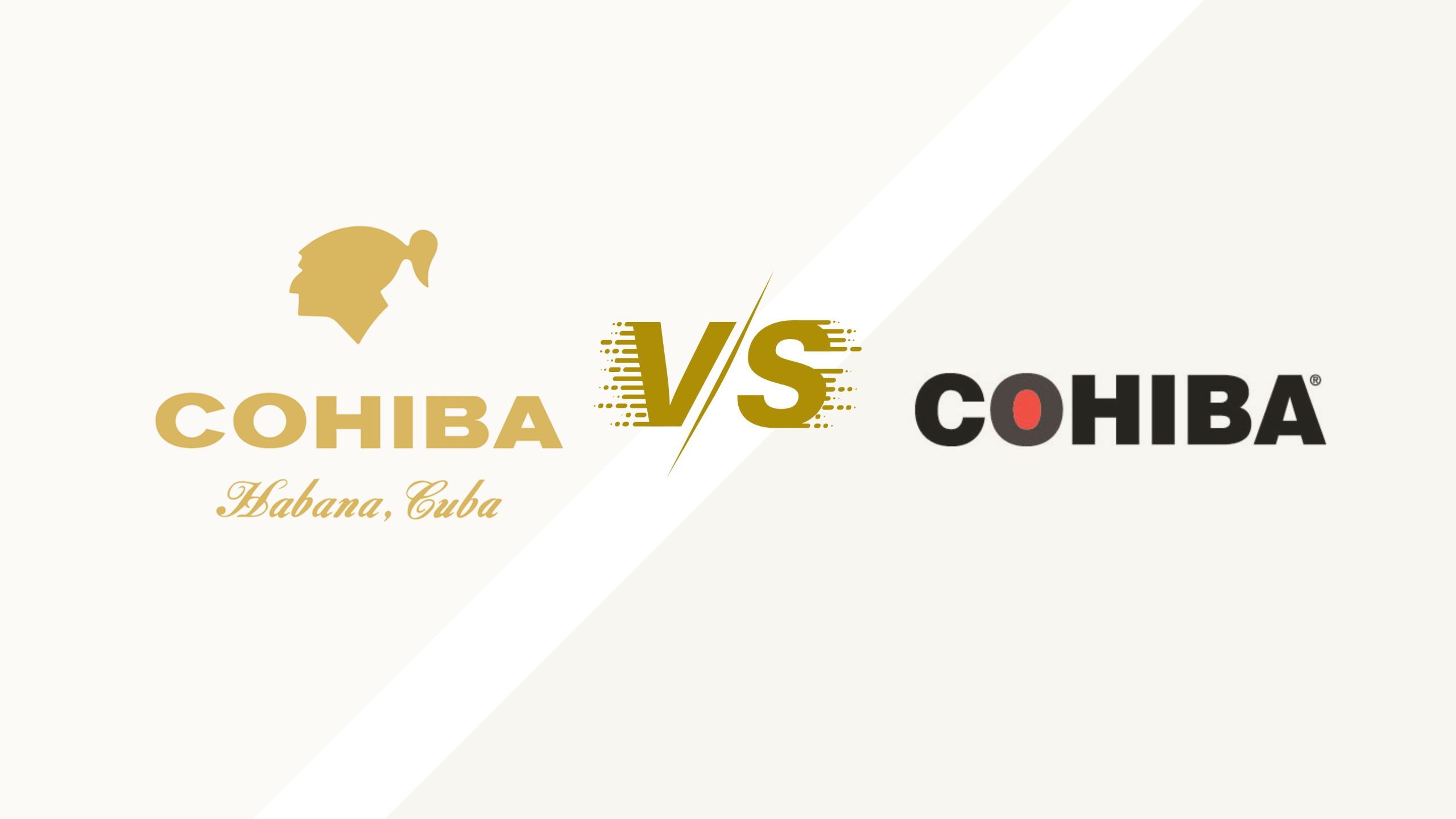
Cohiba is not just a brand—it’s the brand. For decades, it has symbolized the pinnacle of Cuban cigar craftsmanship. But in the United States, the same name appears on a completely unrelated product: a Dominican-made line from General Cigar. Despite repeated losses in court, General Cigar continues to sell Cohiba-branded cigars in the U.S., thanks to a legal loophole created by the U.S. embargo on Cuban goods.
The Cuban state-owned tobacco company, Cubatabaco, has fought for years to reclaim the trademark. And on paper, they’ve won. But enforcement is impossible. As long as the embargo remains, Cubatabaco can’t register or control its own brand in the U.S. So General Cigar appeals, delays, and keeps selling.
Some ask, what difference does it make? Cuban Cohibas aren’t allowed in the U.S., and the U.S. Cohibas don’t exist elsewhere. But that’s the wrong question. It’s not about market access—it’s about brand integrity.
Why the Brand is Everything
Luxury cigars like Cohiba are built on trust. They aren’t just products; they are symbols of heritage, scarcity, and craftsmanship. When a customer picks up a Cuban Cohiba, they’re paying not just for tobacco—but for an experience, a story, a status symbol.
This is what General Cigar is leveraging. In a flooded U.S. market with over 500 cigar brands, “Cohiba” stands out. It’s instant recognition. As discussed in a recent livestream on the Cigar Inspector channel, this is about visibility in a sea of noise. Most consumers aren’t experts—they gravitate toward the name they know. And that name is Cohiba.
But this short-term gain risks long-term damage. If U.S. smokers associate “Cohiba” with an underwhelming experience, it erodes the brand’s value worldwide. A weak product with a strong name confuses the market—and devalues the original.
Luxury vs Premium
Luxury cigars aren’t defined by construction alone. They’re defined by perception, scarcity, and the story they tell. Cuban cigars—particularly Cohiba—are limited not just by production but by geography. You can’t just make more of them. The tobacco must come from specific regions in Cuba, rolled under strict protocols. There’s a ceiling on how many can exist.
Compare this to New World cigars. Brands like Padron and Fuente are outstanding—often more consistent—but they’re built for scale. They’re premium, not luxury. They don’t operate under the same natural constraints or symbolic weight.
During the livestream, one Cohiba cigar was unbanded and handed over. Stripped of its band, it looked like any other stick. The value wasn’t in the wrapper—it was in the band. That’s not deception. That’s brand power. When the band was revealed, it transformed the cigar into a £650 limited edition. That’s the essence of luxury.
The difference lies in the value gap: the space between a cigar’s production cost (intrinsic value) and what people are willing to pay (perceived value). Luxury exists in that gap. Cohiba can charge far more not because the cigar is objectively “better”—but because people trust the name.
Why the Fight Will Continue
Cubatabaco continues its legal fight not because of short-term gain, but because brand erosion is irreversible. They know that if they ever re-enter the U.S. market, a damaged name will be far harder to restore than it was to defend.
General Cigar, on the other hand, has little incentive to stop. So long as they can appeal and delay, they can keep profiting from a name they didn’t build. As Steven noted, it’s the equivalent of a con man winning an election by using the name of a dead congressman—people vote for what they recognize, not for what they understand.
This isn’t just about cigars. It’s about ownership of meaning.
The True Cost of Imitation
Brand damage doesn’t always come from legal loss—it comes from consumer confusion. When someone smokes a cigar labelled “Cohiba” in the U.S. and finds it average, it undermines the credibility of the name. That confusion bleeds across borders. The brand weakens, even where the original still thrives.
Cohiba’s continued dominance in markets like the UK shows how strong the brand remains. Despite soaring prices, it remains one of the top-selling cigars by volume. Why? Because people still believe in it. They still trust it.
But that trust isn’t bulletproof. It can be worn down—slowly, steadily—by allowing lesser products to share its name. That’s why Cubatabaco has to keep fighting, even if there’s no immediate payout.
The Lesson: Luxury Must Be Protected
Luxury is fragile. It’s not just about high prices—it’s about reputation. A product alone can’t create a luxury brand. But one bad product can ruin it. Cohiba must be defended not just in Havana but in courtrooms abroad, because its value lies in consistency of experience.
The real takeaway from this trademark war isn’t legal—it’s philosophical. A luxury brand must stand for something. It must be rare. It must be respected. And it must be protected—even when it costs more to defend than it’s currently worth.
Because when the embargo eventually lifts—and it will—Cubatabaco will want to sell its Cohibas in the United States under a name that still means something. And if they’ve done their job right, Americans will finally experience the real Cohiba—not just in name, but in substance.