Criollo Tobacco: The Native Seed of Premium Cigars
Criollo tobacco, often referred to as the “native seed,” is the genetic foundation for Cuban cigars, tracing its lineage back to the era of Christopher Columbus. While originally synonymous with Cuban tobacco, Criollo has transcended its origins to flourish in other regions, offering a range of flavours shaped by diverse climates and soils.
The Origins of Criollo Tobacco
A Historical Foundation
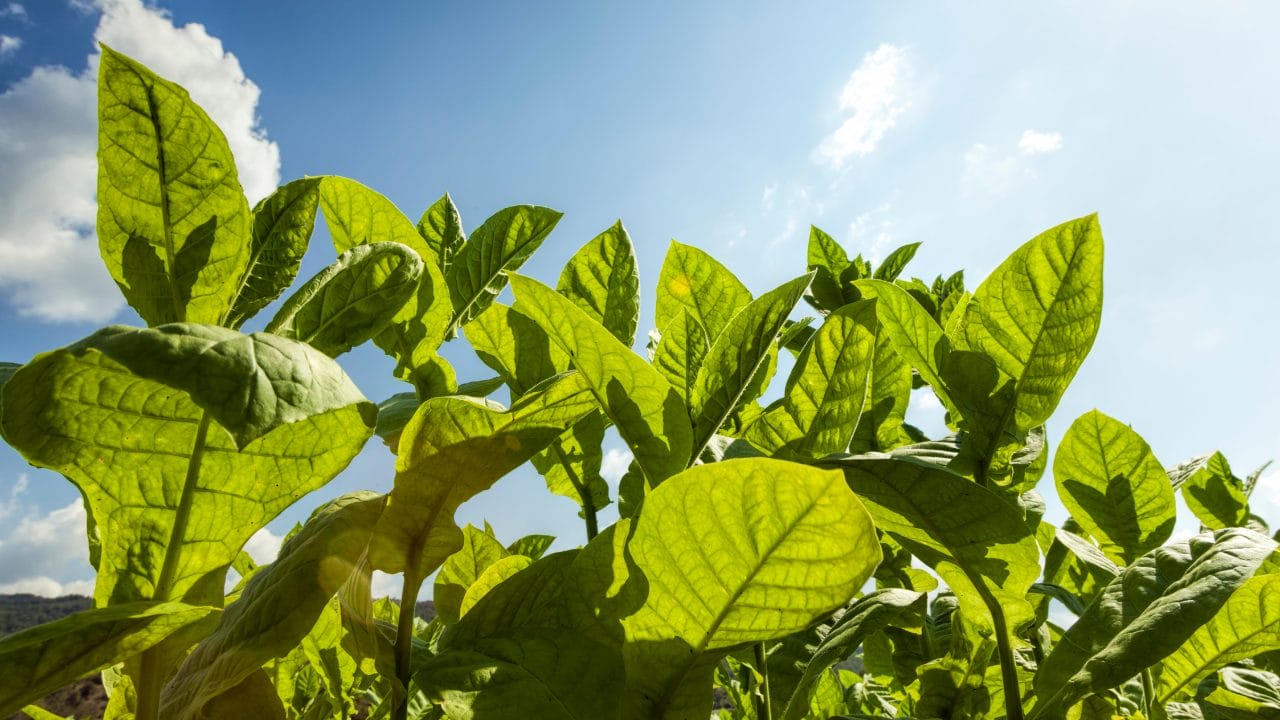
Criollo tobacco has its roots in the early days of Cuban agriculture, where it was cultivated as a native seed. Its name, meaning “native” or “local,” reflects its integral role in Cuban tobacco farming. Historically, Criollo was grown under the sun and used across all parts of cigars, from wrappers to fillers.
Over time, as cigar production evolved and superior wrapper leaves were discovered, Criollo became predominantly used for filler tobacco. However, its versatility and unique flavour profile ensured it remained a staple in cigar craftsmanship.

A Shift in Usage
The discovery that Criollo leaves grown under shade in Nicaragua could produce excellent wrappers sparked a resurgence in its use as a wrapper tobacco. This marked a turning point, allowing Criollo to reclaim its prominence in premium cigar production.
Criollo ’98: A Resilient Hybrid
Criollo ’98 is among the most esteemed strains of Criollo tobacco, widely used in Cuban cigars and prized for its balance of flavour and resilience.
Development and Characteristics
Criollo ’98 was created by crossing the Havana 92 and Habana P.R. strains to combat pests and diseases like Blue Mould, Black Shank, and Tobacco Mosaic Virus. This hybrid tobacco is sun-grown, producing robust leaves with exceptional durability and flavour.
Key features of Criollo ’98 include:
- Height: Approximately 6 feet tall.
- Leaf Size: Leaves reach 24 inches in length and 12 inches in width.
- Yield: Each plant produces 14 to 16 usable leaves, making it an excellent choice for binders.
- Resistance: Strong resistance to tobacco-specific diseases, with moderate resilience against Environmental Necrosis.
These attributes make Criollo ’98 a vital component in the world of premium cigars, celebrated for its medium-bodied profile and complex undertones.
Criollo Beyond Cuba
Criollo tobacco’s adaptability has led to its cultivation in regions far from its Cuban origins. Countries like Nicaragua, Honduras, the Dominican Republic, and Mexico have embraced Criollo, with each region imparting unique characteristics to the tobacco.

Nicaraguan Criollo
In Nicaragua, Criollo thrives in two key regions: Estelí and Jalapa.
- Estelí Criollo: Known for nutty and earthy notes, this variety delivers a bold, medium-to-full-bodied smoking experience.
- Jalapa Criollo: Imparts a distinct sweetness, making it an excellent choice for blenders seeking balance and nuance.
Nicaraguan Criollo, particularly the Criollo ’98 strain, is favoured for its rich, meaty undertones and medium-bodied profile, enhancing the complexity of handcrafted cigars.
Honduran Criollo
Honduras produces a creamier version of Criollo, with medium-to-full-bodied strength and a smooth finish. This variety is a staple in premium cigars, adding depth and richness to blends.
Mexican Criollo: San Andrés
The San Andrés region of Mexico offers a unique take on Criollo tobacco. Known as San Andrés Criollo, this variety is celebrated for its earthy and spicy profile, providing a full-bodied experience. Smokers often note flavours of cedar, molasses, light coffee, and leather in cigars featuring this distinctive wrapper.
The Role of Criollo in Modern Cigars
Criollo’s versatility ensures its continued relevance in the world of premium cigars. Whether used as a filler, binder, or wrapper, Criollo tobacco contributes to the complexity and depth of cigar blends.
Flavour Profiles
Depending on its origin, Criollo tobacco can present a wide range of flavours, from the nutty and earthy notes of Nicaraguan Criollo to the creamy sweetness of Honduran varieties and the bold, spicy undertones of San Andrés Criollo.
Hybrid Contributions
Criollo ’98, with its disease-resistant properties and balanced profile, is a cornerstone of modern cigar production. Its adaptability has made it a favourite among cigar makers seeking to craft medium-bodied cigars with nuanced flavours.

A Legacy of Excellence
Criollo tobacco, with its rich history and global reach, remains an integral part of the cigar world. Its adaptability to diverse climates and soils, combined with its unique flavour profiles, ensures that Criollo continues to captivate cigar enthusiasts.
For those exploring premium cigars, trying a blend featuring Criollo tobacco is an invitation to experience the heritage and artistry of cigar making. From the sunlit fields of Nicaragua to the shaded farms of Honduras and the rich soils of Mexico, Criollo’s journey reflects its status as a cornerstone of cigar craftsmanship.
Savour a Criollo cigar, and discover the legacy of the native seed that transformed the world of cigars.