Cuba and Cigars: How Political Change Could Affect Supply
Recently, while enjoying cigars with friends, the conversation turned to the precarious future of Cuban cigar supply. Concerns ranged from diminished tobacco harvests to surging demand, but I pointed out a different reason to worry: the sociopolitical landscape in Cuba. Could political change be possible, though timing is uncertain?
Context
Since Fidel Castro and his allies came to power in 1959, Cuba has had a system that prioritised state control. For decades, the government relied on tourism, exports, and foreign support. Although life for ordinary Cubans was far from ideal, it was often manageable.
The COVID 19 pandemic cut tourism income sharply. Cuba’s longtime partner Russia is focused on the war in Ukraine, limiting support, and wider trade constraints have added pressure. The economy has come under severe strain.
Today, daily life is difficult. Electricity can be available only a few hours a day. Basic necessities like sugar are often scarce, despite sugarcane being a major crop. Fuel shortages leave drivers in long queues for a few litres of petrol.
These conditions have contributed to social unrest. Mass protests were reported in 2021, 2023, and 2024. The authorities’ response has included arrests and use of force, which has fuelled anger further. This cycle of protest and enforcement could, in a worst case, lead to wider instability.
The armed forces remain central to stability. Among protesters are relatives of soldiers. If a segment of the security services were to change position, it could set off a chain reaction. A fracture would risk disorder and could disrupt daily life and production.

Implications for Cuban Cigars
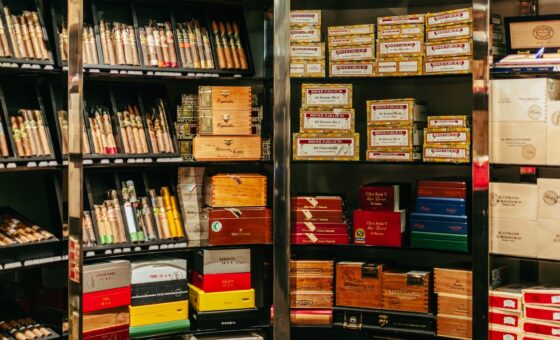
If wider unrest occurs, cigar production could be temporarily disrupted. Field work, curing, factory operations, and logistics might pause or slow significantly. Recovery would depend on security conditions, the condition of barns and factories, and the availability of skilled workers.
Ownership is a major uncertainty. At present all factories and farms are state owned under Tabacuba. If a new government emerges, possible paths include temporary state control to stabilise output, limited partnerships, privatisation, or reviews of historical claims. Legal disputes could be lengthy and might delay a sustained restart.
International trade rules matter. The United States restrictions remain a key variable. Any change would require legal and diplomatic steps, including trademark issues such as the Cohiba name in the United States. Even without changes in the United States, demand from Europe and Asia would continue to influence outcomes.
If laws and security conditions evolve, some international firms might explore cooperation or investment under Cuban law. None of this is assured and any such steps would require clear approvals.
Quality and consistency rest on agronomy, processing, and time. With steady access to inputs, careful fermentation, and adequate ageing, products can meet expectations. If political change improves access to materials and equipment, that could help process control. If supply chains are disrupted, consistency could suffer until systems settle.

Outlook
This section is scenario planning for the cigar supply chain. It does not advocate for any political outcome and it respects Cuban law and sovereignty.
In the near term, the most likely path is continued constraints with intermittent disruptions. Producers focus on maintaining fields and factories, making small repairs, protecting inventories, and smoothing shipments where possible. If public order holds, production can continue with delays rather than full stoppages.
Through the next year, outcomes hinge on security conditions and policy signals. A steady course with gradual administrative adjustments would keep output uneven but serviceable. A managed transition with limited partnerships or operational reforms could cause a short dip followed by recovery as procedures settle. A more disruptive turn would slow farm work, curing, and factory rhythms, and would test logistics until the system stabilises again.
Keep an eye on a few practical markers that move the needle on supply more than headlines do:
Power availability by province and outage schedules
Fuel import volumes and queue length at service stations
Official guidance on agricultural inputs and factory operations
Shipment cadence from Habanos distributors
Operationally, the priorities are simple. Producers protect seed and leaf, fermentation capacity, storage, and skilled labour. Distributors and retailers stick to lawful procurement, hold a modest buffer of high demand lines, and set realistic lead times. Consumers should expect periodic variability in availability and pricing, and keep authenticity checks front of mind when scarcity rises.

Conclusion
Cuban cigars will rise or fall on three things if politics shift. Field work and factory rhythms must continue. Control of assets and contracts must be clear. Trade rules must be predictable. If order holds, delays are manageable. If it breaks, production pauses and quality turns uneven until systems reset. Plan procurement and ageing for variability, keep timelines honest, and guard against counterfeits when scarcity bites. Above all, protect the people and know-how that grow, ferment, and roll the leaf, because that capability is what keeps the category alive.