Everything You Need to Know About Culebra Cigars
The traditional cigar is a long, straight, brown tube of expertly rolled tobacco. As such a familiar sight in the aficionado community, you’d be forgiven for thinking this was the only form a cigar could take. That is, until you discover the Culebra — a truly unique twist on tradition.
Join us in exploring the rich history, craftsmanship, and experience of the enigmatic Culebra cigar.

What Is a Culebra Cigar?
Culebra, meaning “snake” in Spanish, aptly describes the twisted appearance of these intriguing cigars.
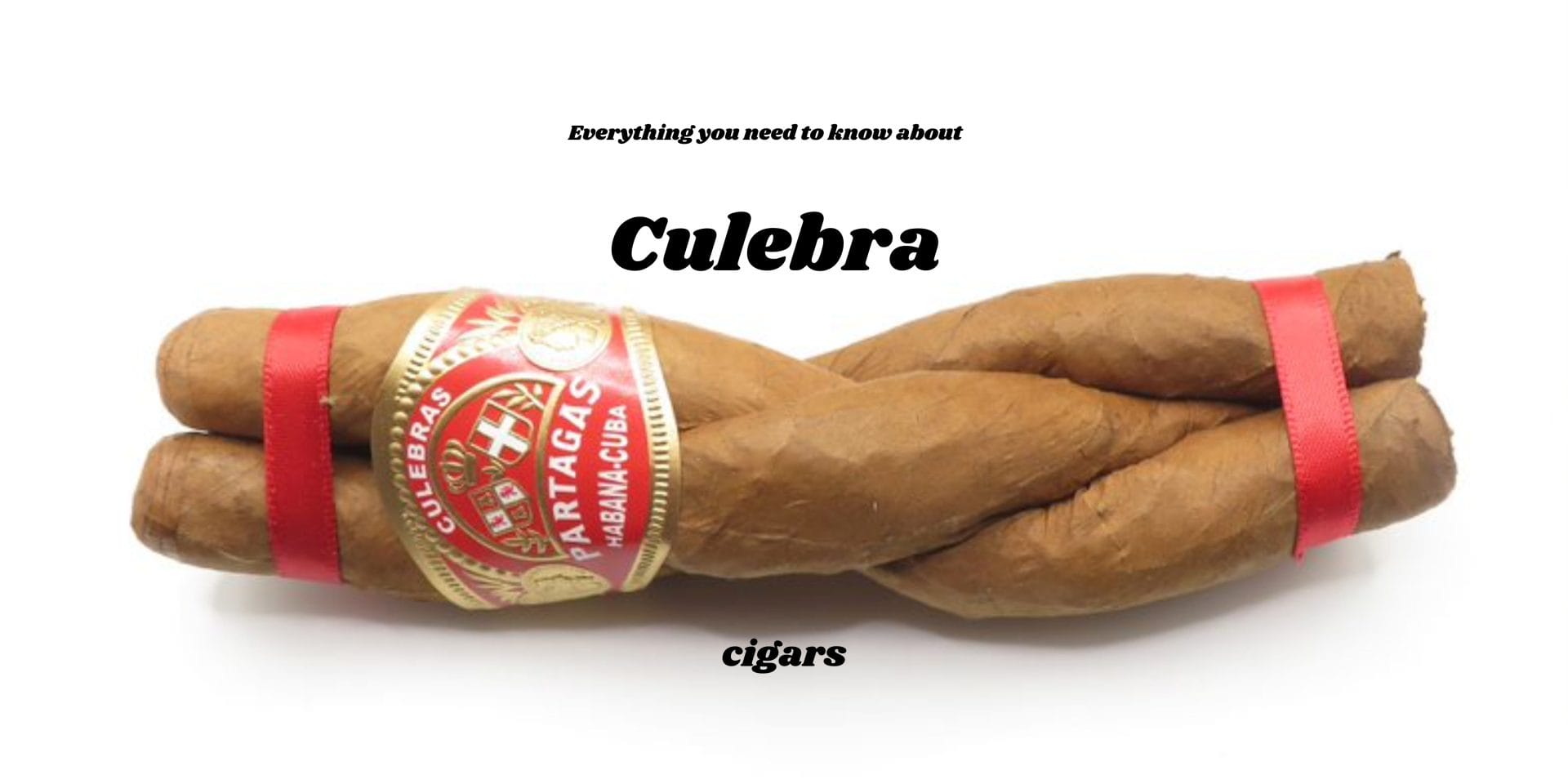
A Culebra is essentially three cigars braided together and secured with a ribbon or band. Once unravelled, each cigar retains its twisted shape. Typically, these cigars are 5–6 inches in length with a 38-ring gauge, offering a distinctive and striking visual appeal.
One of Cuba’s oldest and most revered brands, Partagás, has explored the Culebra format with finesse. Bound with a scarlet-red ribbon, their Culebra cigars offer a full-bodied experience with earthy tones and subtle wooden notes. An excellent choice for seasoned smokers. This is probably the best-known Culebra on the market.
The History of Culebra Cigars
Origins and Theories
The exact origins of Culebra cigars remain unclear, but several theories attempt to explain their unique design:
- Factory Worker Allowance: One of the most popular stories suggests Culebra’s were created to prevent factory workers from taking more than their daily allowance of three cigars. Their irregular shape made it evident if someone smoked a straight cigar, thus deterring theft.
- Maturation Theory: Another theory links their origin to 19th-century practices in the Philippines. Some believed braiding thinner cigars enhanced the maturation process and enriched flavours. However, this method never gained widespread adoption, with most factories favouring traditional curing and rolling techniques.
Regardless of their origin, Culebra’s have become a rarity and a prized novelty in the cigar world.

How Culebra Cigars Are Made
The Craftsmanship Behind the Twist
Culebra cigars are smaller and thinner than typical cigars, often resembling a panatela in size. Their production involves:
- Rolling Individual Cigars: The cigars are rolled thinner than standard and moistened to prevent the wrappers from splitting during braiding.
- Braiding the Cigars: Three cigars are intricately twisted together and secured with ribbons or bands at the top and bottom. This process allows them to mould into their iconic shape as they age.
- Aging: During aging, the extra moisture evaporates, solidifying the cigars’ braided form. They can then be separated for smoking or enjoyed as a collective piece.
How to Smoke Culebra Cigars
Despite their braided appearance, Culebra cigars are meant to be smoked individually. Here’s how to properly enjoy them:
- Unwrap and Separate: Remove the ribbons or bands holding the three cigars together. Gently untwist them to reveal three individual sticks.
- Smoke Individually: Light one cigar at a time and savour its nuanced flavours.
- Share the Experience: A Culebra offers a fantastic social experience. Share the other two cigars with friends for a memorable occasion.
Culebra’s are often produced in limited editions, making them a rare find. While not the most popular choice, their unique appearance and collectible nature add significant value to any humidor.

Why Every Smoker Should Try a Culebra
Culebra cigars are more than just a novelty—they represent history, craftsmanship, and the joy of sharing a unique smoking experience. Whether you’re a seasoned aficionado or a curious newcomer, these twisted beauties are worth trying at least once. If you spot them on the market, don’t miss the chance to add one to your collection.