Is Cuba Next? Maduro’s Capture Puts Havana In U.S. Crosshairs
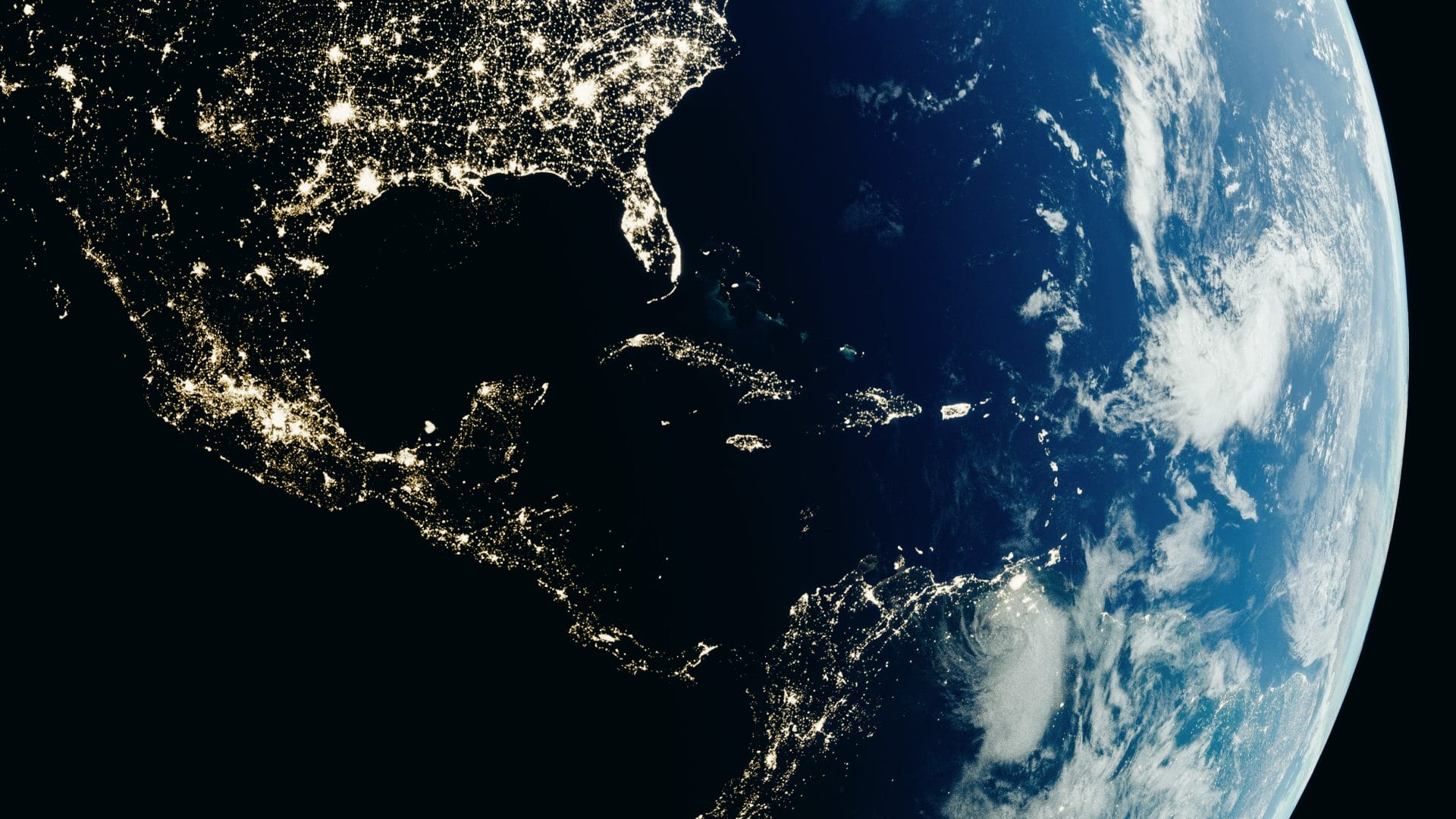
On the 3rd of January 2026, the United States carried out an operation in Caracas that ended with the capture of Nicolás Maduro, President of Venezuela. Venezuelan oil supplies to Cuba are now at risk, exacerbating the current fuel and electricity crisis.
With the capture of Maduro the first thing that could change is what happens to Venezuelan oil, because the United States is talking openly about controlling oil exports and the money they generate.
The oil link is the one that can hit Cuba fastest. Cuba’s power system is already in crisis, with long blackouts caused mainly by fuel shortages and old infrastructure. Venezuelan oil has helped keep the grid going and it’s estimated that around 35,000 barrels a day are delivered to Cuba.
Due to this, Mexico has become a more important supplier to Cuba, however, its public messaging has been careful. Mexican leaders have confirmed that they have not increased shipments and simply maintained historical levels. They also describe deliveries as part of existing arrangements suggesting that Cuba may not be able to filling any additional requirements with Mexican supply.
That pressure does not stay confined to households. Export industries feel it too, because they rely on the same electricity, fuel, packaging supplies, and transport routes to ports and airports. Even if the government prioritises what brings in foreign currency, a weaker grid and tighter logistics still tend to show up as slower output, uneven shipments, and tighter availability.
Why Washington Says Cuba Could Be Next To Fall

Since Maduro’s capture, senior figures in Washington have started talking about Cuba as exposed. They are not presenting this as a new mystery. Their basic point is that Cuba has leaned on Venezuela for years, and if Venezuela is reshaped under US control, Cuba loses one of its main supports.
The Trump administration has been clear that Venezuela matters because of oil. That matters for Cuba because Cuba’s electricity and transport problems are heavily tied to fuel shortages. If Venezuelan supply drops, Cuba feels it quickly.
This is where the invasion question matters. It’s likely that the U.S. will maintain its embargo and use the fuel crisis as way to add greater pressure on Havana. An actual invasion may not be on the cards especially because Cuba is not as resource rich as Venezuela. The Trump Administration has made it clear that how important the Venezuelan oil is. This gives a practical reason for taking the risks linked to invading a county, because controlling oil exports and oil money offers a direct return. Cuba does not offer anything comparable, which makes a Venezuela scale operation harder to justify.
It’s for this reason that when Washington talks about Cuba being next to fall, it is more believable as a pressure plan than an invasion plan. This means tightening sanctions, making shipping and insurance more difficult, and making payments harder to process. It can also work indirectly, by cutting off Venezuelan oil support and making every replacement barrel more expensive and harder to move.
Effectively, Cuba does not need to be invaded to be pushed into deeper instability. If fuel gets tighter, and if shipping and finance become more constrained, the situation can deteriorate quickly even without a direct military move.
How This Hits Ordinary Cuban People

Fuel is an important commodity and if this becomes scarce, then electricity becomes less reliable, transport becomes more difficult, and after that overall stability can become a problem.
If Venezuelan supply falls and Cuba cannot replace it, blackouts become longer and more frequent. That changes daily life fast, because people cannot cook normally, food spoils more easily, and sleep and work become harder. It also affects water, because pumps need power, and it affects communication, because phones cannot be charged and networks often struggle during outages.
Transport is the next problem. When fuel is tight, buses and taxis run less, deliveries slow down, and queues get longer. Food becomes harder to get regularly, because supplies do not move around the country as easily. Medicine becomes harder to find for the same reason, and when fridges cannot stay on, households lose another basic safety net. If queues start to get longer, then people lose patience faster.

We’re still yet to see how this plays out over the next 12 months, however, If fuel shortages become severe enough, daily life may become much harder to manage. Blackouts may be more frequent and last longer, transport could slow down, and food and medicine become harder to move around the country.
This pushes prices up faster and leaving households with difficult choices to make. This may lead people to take to the streets or even start looking for a way out. For Cuba this will be a disaster, however for Washington this may be exactly what they want. A gradual decline that forces the country to it’s knees far more than what the current sanctions have been doing.
What This Could Mean For Cuban Cigars

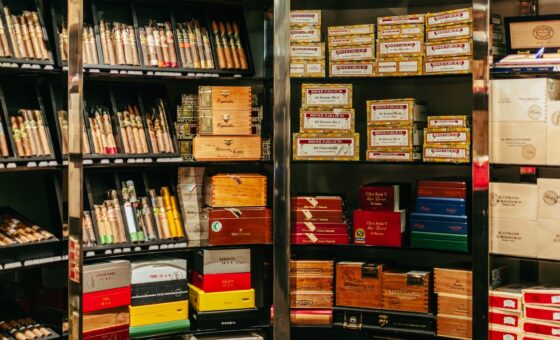
Cuban cigars are one of the country’s most important sources of foreign currency, so they tend to be protected when the wider economy is under strain. That is the simple reason the cigar industry can keep moving even when other parts of the country struggle.
But the cigar business still depends on the same basics as everything else. It starts with tobacco and curing. Farming is time sensitive, and leaf has to be moved and handled properly. If fuel is tight, transport becomes less reliable, and that creates more delays at the worst times of the season. Even small delays can cause major disruptions.
Additionally, fermentation and aging depend on stable conditions, steady handling, and reliable movement between sites. Therefore, even if the factories can keep rolling cigars, logistics will continue to be a problem. Bands, boxes, labels, ink, glue, and shipping cartons are all essential, and many of these depend on imports and logistics. If any of that supply slows down, finished cigars can back up inside the system even if tobacco and labour are available.
Finally, even if the cigars are ready and complete, they still need to be moved to warehouses, then to airports and ports. If trucks cannot run consistently and schedules keep shifting, then shipments can become uneven.
For this reason, it’s likely that over the next year supply may become less predictable. That usually means more gaps on shelves, more uneven availability by country, and more price pressure, especially on limited products where Cuba can maximise revenue per cigar.
Final Thoughts

If Washington tightens pressure and Venezuela’s support weakens further, the first impact for Cuba is still fuel and basic services, but the second impact is export strategy. Havana leans harder on what brings in foreign currency, and cigars sit fairly high up on that list.
For the cigar market outside Cuba, the most likely result is not a sudden stop, but a tighter flow. If fuel, logistics, and packaging inputs become less reliable, shipments become more uneven, restocks slow down, and allocations get tighter. That reduces global supply at the margin, which usually pushes prices up again, especially in markets where demand stays strong and buyers are used to paying more to secure stock.
That also creates a pricing temptation for Havana. If supply is constrained anyway, raising prices can protect revenue even as volumes fall. There is a limit to that, because the higher prices go, the more demand starts to soften, and at a certain point you get diminishing returns. Even so, from Havana’s point of view, there is an obvious benefit to earning similar income while producing fewer cigars, because it eases pressure on a strained system while keeping hard currency coming in.