The Cigar Industry In 2025, A Year In Review
This year could be described as a milestone year for cigars. Limited releases became more prominent and more expensive, while rules around selling and where people can smoke tightened again. This article looks back at the moments that shaped 2025.
Cuba kept pushing the top end and used its big moments to set the release agenda, while the US showed demand growth but stayed stuck in regulatory uncertainty.
In the UK, duty rose again and the Tobacco and Vapes Bill kept moving, and across Europe the direction stayed the same with more retail restrictions and more smoke free space.
Cuba And The Global Cigar Market In 2025
2025 was a year of higher prices and tighter rules. At the top end, brands leaned harder on limited releases and anniversary editions, and those cigars carried more of the attention and the margin than standard lines. At the same time, selling and smoking got harder in a lot of places, with tax rising again, bills and proposals moving forward, and smoke free rules expanding across more outdoor spaces, which pushed more cigar activity into lounges, private settings, and specialist retailers.
Cuba set the pace for that premium direction, because Habanos came into 2025 off the back of record 2024 revenue of $827 million, up 16 percent, with China as the top market by value and Spain, Switzerland, the United Kingdom, and Germany also in the top five. Festival del Habano XXV, February 24 to 28, 2025, reinforced how the business is being run right now, big milestone launches and pricing that sits firmly at the top end. The 2025 Edición Limitada lineup was unusually tight, with Montecristo Elba and Punch Princesas, which concentrated attention on two cigars rather than spreading it across a wider list, and Romeo y Julieta Amantes sat alongside that as the extra headline release tied to the brand’s 150th anniversary. Taken together, the message from Habanos in 2025 was simple, fewer headline cigars, bigger moments around them, and higher prices treated as normal rather than exceptional.
The United States Market And Regulation
In the US the market showed growth, with premium handmade cigar imports up 4.6 percent in the first half of 2025 to just over 200 million cigars. Nicaragua remained the dominant source, while Honduras showed the fastest growth rate among the big three origins, which matters because it shows the category is still moving forward even with higher prices and a more cautious consumer.
The legal and regulatory picture stayed unsettled. On January 24, 2025, the D.C. Circuit largely upheld the vacatur of the FDA deeming rule as applied to premium cigars, then sent the case back for more work on the definition, and the FDA said it would keep using the district court definition in the meantime. The practical point is this definition still decides the future, because it determines what counts as a premium cigar and what ends up treated like everything else.
In October 2025, California stepped up enforcement of its Unflavored Tobacco List rules, and the cigar industry sued in response. The concern was that premium cigars could be pulled from shelves unless every blend and size is submitted through a heavy approval process, and even if nothing changes nationally, a state fight like this can still hit availability by limiting what shops can stock and adding real legal risk to everyday products.
The United Kingdom And Europe
In the UK, the story was still shaped by tax and long term legislation, but 2025 also showed the industry is not passive. Cigars remain taxed by weight, and duty stepped up again from November 26, 2025, with the escalator framed as RPI plus 2 percentage points, and another increase already scheduled for October 1, 2026 alongside the new Vaping Products Duty, yet the response has been clear, specialist retailers have adapted, the premium end has held its ground, and there is real pushback building around how these rules are applied. At the same time, the Tobacco and Vapes Bill kept moving, built around banning tobacco sales to anyone born on or after January 1, 2009, and bringing in a retail licensing scheme that also covers online tobacco sales, and that has sharpened the conversation, because it forces the industry and smokers to organise, speak up, and defend premium cigars as a distinct category.
Across Europe, the pattern was consistent, with more restrictions around how tobacco is sold and where people can smoke, but the positive side is that cigar culture has become more focused and more intentional. Belgium moved to restrict tobacco display from April 1, 2025, and several countries pushed further on outdoor smoke free rules, including France from July 1, 2025, and Milan from January 1, 2025, with Spain also pushing a national proposal in September 2025. At EU level, the Commission published its Tobacco Taxation Directive recast proposal on July 16, 2025, and InterTabac, September 18 to 20, stayed the main trade calendar moment, which mattered because it showed the trade is still active, still international, and still investing in the long game, even while policy keeps tightening around it.
Retailers, Lounges, And Smokers
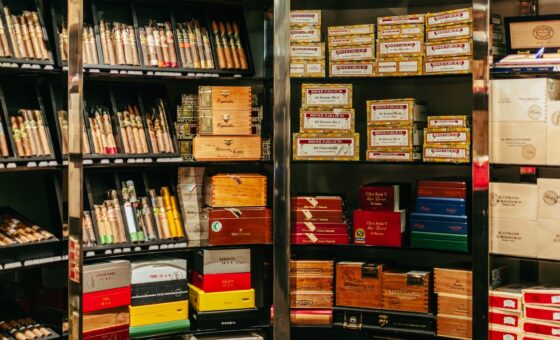
For retailers, 2025 was a strong year for shops that do the basics properly. Limited releases and anniversary cigars gave clear headline moments that brought people in, and the best retailers used that attention to keep standard lines moving too, because once trust is there, customers buy more confidently. The value of specialist retail also became clearer, because when prices are high, storage and guidance matter more, and people stick with places that look after the product.
For lounges, the year reinforced why the lounge model keeps growing. As more public spaces became less friendly for smoking, lounges became the simple answer, a reliable place to smoke without hassle, with proper service and the social side that makes cigars worth the time. The better lounges leaned into tastings and brand nights, which turned the cigar into an evening rather than a quick smoke.
For smokers and collectors, 2025 pushed the hobby in a healthier direction. People became more deliberate, buying fewer cigars with more purpose, relying more on trusted retailers, and paying closer attention to what actually performs well when lit. Limited releases still drove excitement, but the conversation shifted more toward whether a cigar is worth smoking, not just worth owning, and that is good for the culture.
Final Thoughts
2025 was a strong year for cigar culture. The biggest brands created clear headline moments, and the release calendar gave smokers plenty to look forward to, especially if you enjoy limited editions and milestone cigars. Retailers who store cigars properly and know their stock had an even bigger advantage, because customers leaned into trust, consistency, and good guidance.
Lounges also mattered more than ever. A good lounge turned the cigar back into what it should be, a proper experience with time, service, and conversation, and the best venues proved that people will happily make the effort when the atmosphere is right.
Most importantly, smokers got sharper. People bought with more intent, learned faster, and cared more about performance and enjoyment than noise. That is what keeps the category healthy, and it puts the industry in a good place going into 2026.