
The History and Popularity of Regional Edition Cigars
Regional Edition cigars have become a sought-after niche within the cigar industry, captivating collectors and smokers alike. These exclusive releases, whether Cuban or from New World brands, offer limited availability and unique vitolas designed for specific markets. But how did this phenomenon begin, and what fuels its enduring appeal?
The Origins of Regional Edition Cigars
Habanos S.A. and the Launch of Regional Editions
The concept of Regional Edition cigars originated in 2005, when Habanos S.A., the Cuban cigar conglomerate, introduced the Edición Regional program. This initiative allowed distributors to commission exclusive cigars for their regions, creating tailored releases that stood out in the global market.
Initially, the program excluded cigars from the ten premium Global and Niche brands, focusing on other lines instead. However, Habanos’ brand reorganisation in 2019 dissolved the niche category, making labels like Cuaba and San Cristóbal de la Habana eligible for Regional Editions. Interestingly, discontinued brands have occasionally resurfaced through this program, and in one case, an entirely new brand was created specifically for a regional release.

How Regional Editions Are Made
The Selection Process
The process begins with distributors submitting proposals to Habanos, outlining their desired cigar specifications, including the vitola, quantities (minimum of 25,000 cigars), and packaging preferences. If Habanos approves the idea, they develop three prototype blends. The distributor then selects their preferred blend for final production.
These cigars must adhere to the standard vitolas already produced by the brand, ensuring consistency in quality and presentation. To maintain exclusivity, a region cannot release a cigar from the same brand in consecutive years.
Packaging and Branding
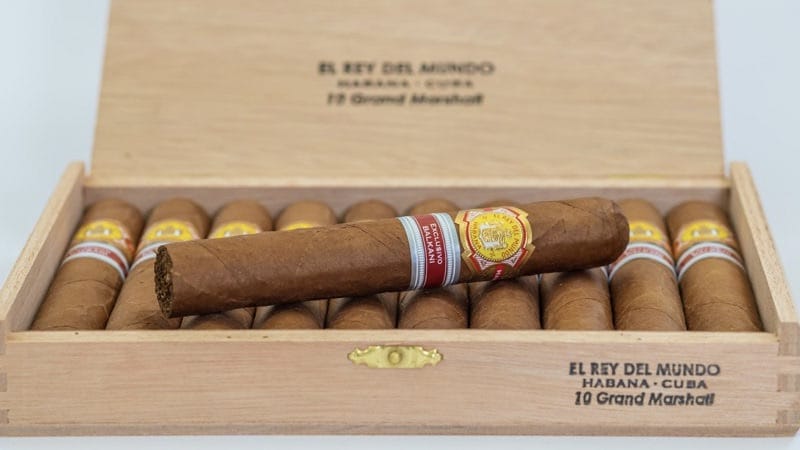
Regional Editions are easily identifiable by their dual bands: the standard production band of the brand and a distinctive red and silver band featuring the word Exclusivo followed by the region’s name in Spanish. Early releases lacked this regional specificity, but today, the branding is an integral part of their appeal.
Why Are Regional Edition Cigars So Popular?
Exclusivity and Collectability
Much of the appeal lies in the limited availability of these cigars. A cigar that is only sold in a specific country or region carries a sense of exclusivity that fuels FOMO (fear of missing out) among enthusiasts. Owning a Regional Edition cigar isn’t just about the smoking experience—it’s a statement of access and rarity.
This exclusivity also enhances the cigars’ collectability. Smokers often enjoy sharing these rare finds with friends, offering something they can’t easily obtain elsewhere. It’s a dynamic that turns cigars into coveted treasures within social circles.
Marketing Brilliance
The genius behind the Regional Edition concept deserves recognition. The combination of exclusivity, unique branding, and limited production ensures that these cigars consistently generate buzz. Even experienced smokers find it exciting to acquire and share a cigar unavailable in their home region.

Photo by EGM Cigars
Why Doesn’t It Work for New World Brands?
Several New World brands have attempted to replicate the Regional Edition model, but none have achieved the same level of success as Cuban cigars.
Examples from New World Brands
Notable attempts include Tatuaje, which released the Verocú Zona del Este and Verocú Lado Occidental for the U.S. East and West coasts in 2007. Davidoff and AVO have also ventured into country-specific editions, and VegaFina continues to release regionally exclusive cigars. However, these initiatives have yet to resonate as strongly with collectors.
The Cuban Legacy Factor
The disparity in popularity can be attributed to the enduring reputation of Cuban cigars as the pinnacle of cigar craftsmanship. While many New World cigars equal—or even surpass—Cuban quality, the mystique surrounding Cuban cigars persists, much like the historical prestige of French wines. This legacy makes Cuban Regional Editions inherently more desirable.
A Future for New World Regional Editions?
Over time, as global perceptions of cigar quality evolve, New World Regional Editions may gain traction. However, it will likely take decades to break the entrenched belief that Cuban cigars are superior. Alternatively, the novelty of paying a premium for a secondary band may fade, leading to a decline in the demand for Regional Editions altogether. Only time will tell.
Final Thoughts
Regional Editions represent a fascinating intersection of exclusivity, tradition, and marketing. They continue to captivate the cigar community, offering unique smoking experiences tied to specific regions.
For Cuban cigars, the concept is a resounding success, bolstered by a rich legacy and global demand. For New World brands, the road to similar acclaim may be longer, but the potential remains. Whether Regional Editions endure as a cornerstone of the cigar industry or fade into obscurity will depend on the changing tastes of smokers and collectors worldwide.
What’s your take on Regional Editions? Are they worth the hunt, or just clever marketing? Let us know in the comments!
Header photo by Habanos