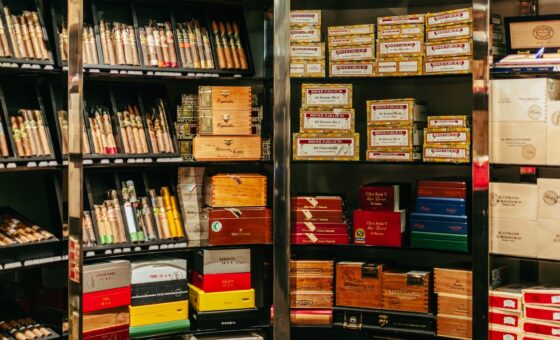
Tobacco in Honduras: Central America’s Rising Cigar Star
The Americas are the beating heart of the modern tobacco world — a region where climate, culture, and craftsmanship converge to shape some of the finest leaf on earth. From Cuba’s legendary Vuelta Abajo fields to Nicaragua’s volcanic valleys and the emerging plantations of Argentina and Peru, the continent tells a story of tradition, innovation, and enduring passion.
This new Cigar Inspector series explores the diverse tobacco-growing nations of Argentina, Brazil, Cuba, the Dominican Republic, Honduras, Mexico, Nicaragua, Paraguay, Peru, the United States, and Ecuador. Each article dives into the history, regional terroir, curing methods, and market influence of these producers — from small family farms to world-renowned premium cigar factories.
Across North, Central, and South America, tobacco is more than a crop: it’s a cornerstone of identity, artistry, and livelihood. Through this series, readers will gain an in-depth understanding of how each country contributes to the global cigar landscape — and how their leaves continue to define excellence in craftsmanship.
Tobacco in Honduras: Central America’s Rising Cigar Star
Honduras produces some of the world’s finest cigar leaves. Its rich soils and climate create distinctive flavours.
Overview & Historical Context
Tobacco cultivation in Honduras began in the 18th century, introduced by Spanish settlers. Initially, production was small-scale, aimed at domestic consumption.
The industry grew after the 1960s with foreign investment and the arrival of Cuban exiles. Many brought expertise in cultivating and fermenting premium cigar tobacco.
By the late 20th century, Honduras had become a major supplier of filler, binder, and wrapper leaves to the global premium cigar market. Today, it is recognised for strength, aroma, and consistency.
Key Tobacco Growing Regions
Honduras’ tobacco thrives in three main regions:
- Jamastrán Valley (El Paraíso): Produces ligero-rich filler leaves, offering robust flavours.
- Olancho: Known for wrapper leaves with smooth texture and uniform colour.
- La Ceiba: Fills the middle ground with aromatic and mild leaves.
Soil fertility, altitude, and microclimate variations create a range of flavour profiles. This diversity allows cigar makers to craft complex blends.
Main Tobacco Types & Characteristics
Honduras cultivates three principal cigar leaf types:
- Ligero: Top leaves of the plant, full-bodied and strong.
- Seco: Mid-level leaves, aromatic and balanced.
- Volado: Bottom leaves, ensuring smooth and steady burn.
Wrapper leaves from Olancho are prized for appearance and elasticity. Fermentation occurs in climate-controlled barns to enhance aroma, smoothness, and strength.
Honduran tobacco is known for earthy, spicy, and chocolatey notes. These characteristics make it ideal for premium hand-rolled cigars.
Production System & Regulation
Most tobacco comes from smallholder farms, which use traditional cultivation methods. Knowledge is passed through generations.
The government oversees export certification and quality control via the Ministry of Agriculture. Processing facilities centralise fermentation and aging, ensuring premium standards.
Exporters must comply with both local regulations and international quality requirements. This guarantees consistency for global buyers.
Cigar-Specific Relevance
Honduran tobacco is essential in the premium cigar industry. Brands like Rocky Patel, Camacho, and AJ Fernandez rely on Honduran leaf for filler, binder, and wrapper.
Ligero-heavy leaves add strength, while Olancho wrappers provide smooth burn and visual appeal. The variety of microclimates allows manufacturers to blend multiple regions’ leaves for layered flavours.
Challenges & Future Outlook
Honduras faces challenges including hurricanes, pests, and market volatility. Labour shortages in rural regions affect harvesting and curing efficiency.
Modernisation in barn technology and improved farming methods aim to increase yields while preserving quality. Global demand for premium cigars continues to grow, securing Honduras’ role as a key supplier.
Fast Facts Table
| Feature | Data |
| Leaf Production (2022) | 15,500 tons |
| Cultivation Area | 10,200 hectares |
| Major Export Markets | USA, Europe, Asia |
| Premium Cigar Exports (2022) | 220 million units |
| Key Varietals | Ligero, Seco, Volado |