Trusted Merchants: Avoiding Scams When Buying Cigars
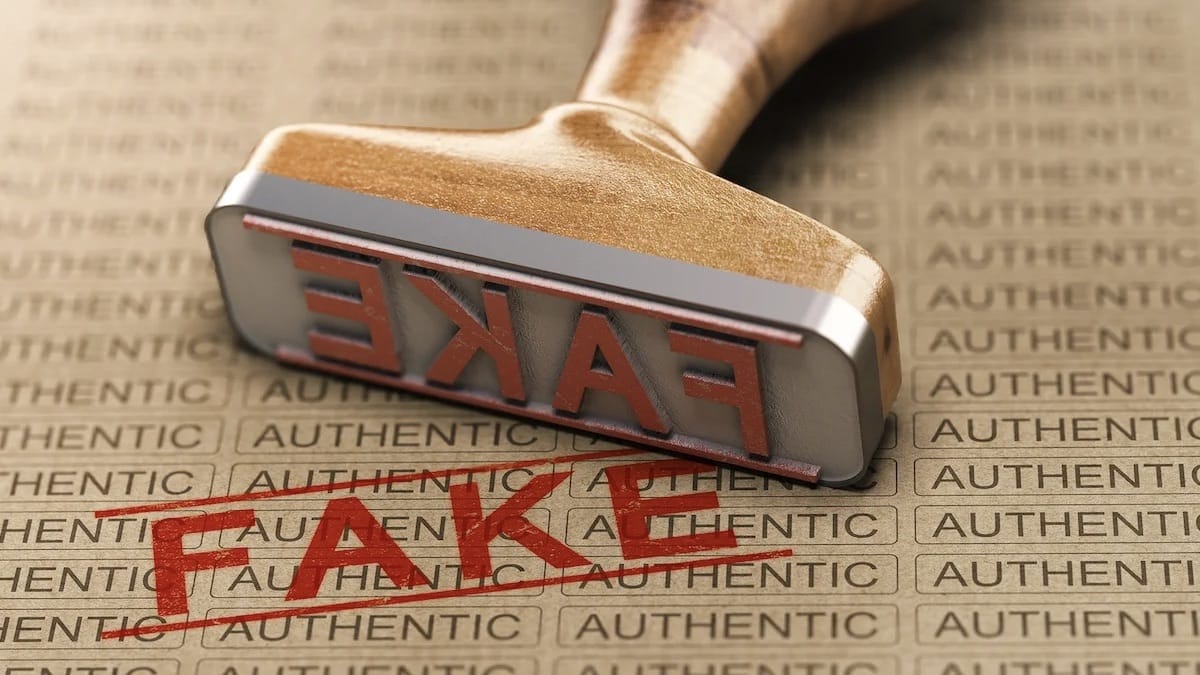
The allure of rare cigars can sometimes lead unsuspecting buyers into traps set by counterfeiters. Social media and fraudulent websites have become rife with fake cigar merchants, and without due diligence, you could easily fall victim. This guide will help you identify trustworthy sources and avoid scams.
The Rise of Social Media Scams
Red Flags on Social Media
Inspector X has noticed a troubling trend: an influx of friend requests from unknown individuals claiming to sell rare Cuban cigars. These profiles often claim to be based in the United States—a country where Cuban cigars are illegal to sell—making their offers of rare and hard-to-find cigars particularly suspicious.
These scenarios are more than just red flags; they’re glaring warnings. Cuban cigars are already challenging to acquire, and the availability of ultra-rare cigars on such platforms is almost always a scam. Avoid engaging with these sellers, no matter how tempting their offers seem.
Fake Websites: The New Frontier of Fraud
Convincing Yet Fraudulent
Fraudulent cigar websites are often polished and professional, featuring sleek designs, “staff photos,” and heartfelt “about us” sections. However, these elements are often stolen from legitimate websites to create an illusion of authenticity.
Initial Research
To verify a website’s legitimacy:
- Check Known Scam Lists
Visit resources likeCigar Analysis for a list of known fake websites. While not exhaustive, this is a good starting point. - Use Scamadvisor
Websites likeScamadvisor provide risk assessments for online stores. If doubts remain, proceed to deeper checks.

Verifying Content and Images
Investigating the “About Us” Section
Copy text from the “About Us” section and search for it on Google. Fraudulent websites often plagiarise content from reputable sources. For instance, the fake website habanoscigarren.com copied text directly from EGM Cigars, a trusted merchant. In some cases, scammers don’t even bother changing the original website’s name in their copy-paste efforts.
Using Google Image Search
Photos on fake websites are frequently stolen from legitimate ones. Here’s how to check:
- Right-click on an image and copy its URL, or download the image.
- VisitGoogle Images and search by uploading the image or pasting the URL.
- If the image appears on another legitimate website, the fraudulent nature of the site becomes apparent.
For example, habanoscigarren.com used photos of employees from C.Gars Ltd, a well-known and reputable cigar merchant. Images of “Diego Mura” were revealed to actually be Mitchell Orchant of C.Gars Ltd, while “Laura Sam” was identified as Imogen from the same company—her name tag even visible in the photo.

Staying Safe: Tips for Cigar Buyers
Stick to Trusted Merchants
Loyalty to trusted vendors is your best safeguard against counterfeit products. Established merchants have reputations to uphold and maintain transparent sourcing.
Research Before Buying
If you’re tempted by a new online seller:
- Verify their legitimacy using the methods outlined above.
- Be cautious of deals that sound too good to be true—they often are.
Know the Provenance
Understanding the origins of the cigars you’re purchasing is essential. Reputable merchants will gladly provide detailed information about their stock, ensuring transparency and authenticity.
Final Thoughts
Navigating the world of cigar purchasing, especially online, requires vigilance. Fraudulent sellers and websites prey on those enticed by rare finds or unbeatable deals. By following the steps outlined here, you can protect yourself from scams and ensure your cigar purchases are authentic.
If you’re ever unsure, remember the golden rule: if something sounds too good to be true, it probably is. Stick with trusted merchants, do your research, and enjoy your cigars with confidence.