What If the Cuban Revolution Never Happened?
What if history had taken a different course and the Cuban Revolution of 1959 had never occurred? While we can only speculate, one thing is clear—the cigar industry and its global landscape would have been dramatically different. This thought experiment offers a fascinating glimpse into how cigars, Cuban society, and global markets might have evolved under alternative circumstances.

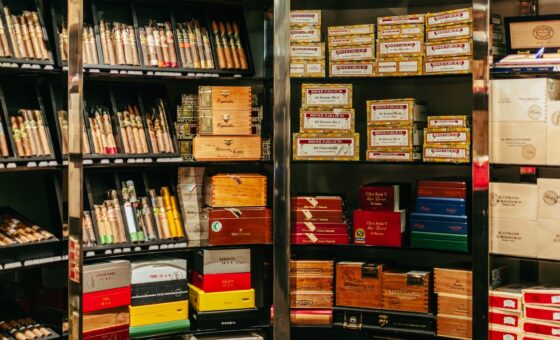
Photo by Yerson Olivares on Unsplash
The Cuban Revolution: A Brief Context
The Cuban Revolution began after the 1952 coup d’état, which placed Fulgencio Batista as the country’s authoritarian leader. After failing to challenge Batista legally, Fidel Castro launched an armed attack on the Moncada Barracks in 1953. By 1959, Batista was overthrown, and Castro’s socialist regime took control of Cuba.
While the revolution altered Cuba politically, economically, and socially, it also reshaped the cigar industry. Factories, farms, and iconic cigar brands were nationalised, and many of Cuba’s most skilled cigar-makers fled the island, carrying their knowledge and traditions to other countries.
But what if this revolution had never occurred?
How the Cigar Industry Would Have Changed
Cuban Brands Would Remain Intact
Without nationalisation, the likes of Cohiba might never have existed as a state-sponsored brand. However, established brands such as Partagás, Romeo y Julieta, and H. Upmann would have continued to thrive as privately owned enterprises.
In this alternate scenario, cigar brands would have competed on quality, innovation, and reputation, likely elevating the overall standard of Cuban cigars.
No “Cuban vs Non-Cuban” Divide
The Cuban Revolution created an artificial divide in the industry. As exiled cigar families resettled in countries like Nicaragua, Honduras, and the Dominican Republic, they brought Cuban craftsmanship and techniques with them. This resulted in the proliferation of “Non-Cuban” cigars, which rival or even surpass Cuban cigars today.
Without this division, there would be no distinction between Cuban and Non-Cuban versions of brands like Montecristo or Punch. The industry might have seen a seamless blending of tobaccos from Cuba and other regions, creating multi-country blends with unprecedented flavour profiles.
The US Embargo Wouldn’t Exist
The United States’ embargo on Cuban goods, imposed in 1962, further isolated Cuban cigars from one of their largest markets. Without the revolution, Cuban cigars would likely have been legally available in the US, solidifying their dominance as the gold standard for premium cigars.

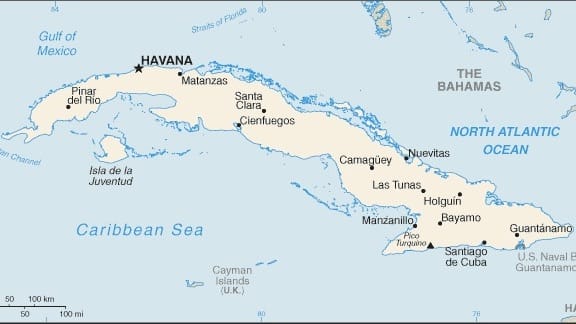
photo credit: Borgen magazine
The Impact on Other Cigar-Producing Countries
The Exodus That Built a Global Industry
Many legendary cigar families—such as Plasencia, Padron, and Oliva—fled Cuba during or after the revolution. Their migration led to the flourishing of cigar industries in Nicaragua, Honduras, and other nations.
Without the revolution, these families would likely have stayed in Cuba, continuing to grow tobacco and produce cigars there. Countries like Nicaragua and the Dominican Republic might still have developed cigar industries, but they would likely be much smaller and less influential.
Fewer Iconic Non-Cuban Brands
Some brands, such as Arturo Fuente, La Aurora, and Joya de Nicaragua, existed before the revolution and would still be part of today’s cigar landscape. However, many brands with Cuban roots might never have emerged outside the island. The diversity we enjoy today in Non-Cuban cigars might have been significantly diminished.
The Quality of Cuban Cigars
Competition Drives Excellence
In the current landscape, Cuba’s state-run cigar industry faces little competition internally. Privately owned brands, however, would have competed fiercely to produce the best cigars, likely resulting in improved fermentation processes, better crop management, and stricter quality control.
Blended Flavours with Cuban Tobacco
Today, Cuban tobacco is rarely blended with leaves from other countries, largely due to legal and logistical challenges. Without the revolution, blending Cuban tobacco with Nicaraguan, Honduran, or Dominican leaves could have created cigars with even richer, more diverse flavour profiles.
A World of Speculation
Without the Cuban Revolution, the cigar world would likely be richer in some ways but poorer in others. We might have seen an unparalleled era of Cuban cigar excellence, free of the quality issues and production bottlenecks that plague the industry today. However, the global rise of Non-Cuban cigars, which has introduced cigar lovers to incredible craftsmanship from other regions, may not have happened at the same scale.
Final Thoughts
While we can’t rewrite history, imagining a world without the Cuban Revolution provides a thought-provoking perspective on how this pivotal event shaped the cigar industry. The revolution created challenges and opportunities, forcing innovation and dispersing Cuban expertise across the globe.
If a multiverse exists where the revolution never happened, perhaps the cigars smoked there would be a fascinating blend of Cuban tradition and global creativity. Until then, we can only wonder what might have been.
What do you think the cigar world would look like today without the Cuban Revolution? Share your thoughts in the comments below!