
Why Increasing Taxes on Premium Cigars is a Flawed Strategy
For nearly two decades, anti-tobacco advocates have sought to impose hefty tax hikes on tobacco products, including premium cigars. Their rationale is straightforward: raise taxes to curb consumption and boost government revenue. While such measures may have some merit for cigarettes and other high-risk tobacco products, applying the same logic to premium cigars is ineffective. Here’s why this approach misses the mark.
Understanding the Premium Cigar Market
Occasional Consumption
Premium cigars are a niche product, consumed far less frequently than cigarettes. According to the 2013-2014 Population Assessment of Tobacco and Health study, the average cigar smoker enjoys a premium cigar just 1.7 days per month. Unlike cigarettes, which are often consumed out of habit or addiction, premium cigars are viewed as a luxury, a ritual, and an art form.
Minimal Public Health Impact
From a public health perspective, taxing premium cigars heavily yields negligible benefits. These cigars are typically consumed in moderation, and their associated health risks are not as severe as those linked to regular cigarette use. The occasional nature of cigar smoking means the potential health gains from reducing consumption through taxation are minimal.

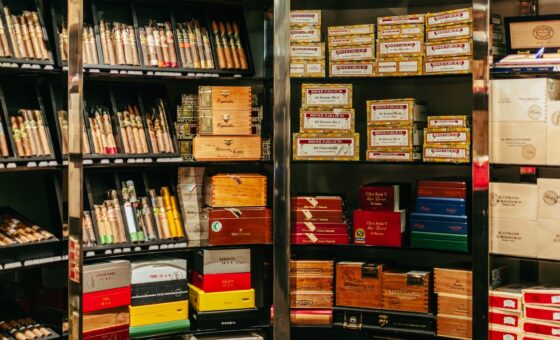
Photo by Julian Lozano on Unsplash
The Economic Downside of Cigar Taxes
Pushing Consumers Out of State
High taxes on premium cigars often lead to unintended consequences. When states like New York propose raising the tax to 129% of the wholesale cost, or Massachusetts suggests increasing it from 40% to 80%, consumers simply turn to online retailers or out-of-state shops. This shift undermines the policy’s intent by reducing in-state sales and tax revenue.
Impact on Local Businesses
Brick-and-mortar tobacconists and specialty shops rely heavily on premium cigar sales. These small businesses already operate on thin profit margins, and excessive taxes can force them to close. The economic ripple effect harms local economies, as these shops often contribute to community vibrancy and employment.

The now closed Village Cigars in New York City
Cultural and Social Significance
A Symbol of Celebration
Premium cigars are deeply embedded in cultural and social rituals. From weddings to promotions, cigars often mark life’s milestones. These occasions are resilient to price changes, meaning that even with higher taxes, cigar enthusiasts are unlikely to forgo their celebratory smokes entirely.
Why Taxation Fails as a Deterrent
Inelastic Demand
The unique characteristics of premium cigars make their demand relatively inelastic. For many enthusiasts, price hikes won’t deter purchases; they will simply shift their buying habits to avoid the additional costs. This behaviour diminishes the effectiveness of tax policies aimed at reducing consumption.
Neglecting Market Nuances
Treating premium cigars like mass-produced tobacco products fails to account for the distinct differences within the market. Premium cigars represent a small fraction of the tobacco tax base, and taxing them as though they were high-volume products like cigarettes is shortsighted.
A Call for Smarter Policies
Rethinking Tobacco Control
To achieve meaningful public health outcomes, policymakers must recognise the nuances of the premium cigar market. Rather than relying on blanket tax increases, efforts should focus on high-risk tobacco products, such as cigarettes.
Supporting Local Economies
Protecting small businesses and local tobacconists is crucial. Policymakers should explore alternative strategies that balance public health goals with the economic realities of the premium cigar industry.
Conclusion
Massive tax increases on premium cigars fail to deliver the intended benefits. These measures overlook the unique traits of the premium cigar market: occasional consumption, cultural significance, and economic impact. A more nuanced approach to tobacco control is essential—one that supports public health without compromising small businesses or alienating cigar enthusiasts. By addressing the complexities of the cigar market, policymakers can craft strategies that are both effective and equitable.