Trump Administration Threatens 100 Percent Tariffs on All Nicaraguan Imports
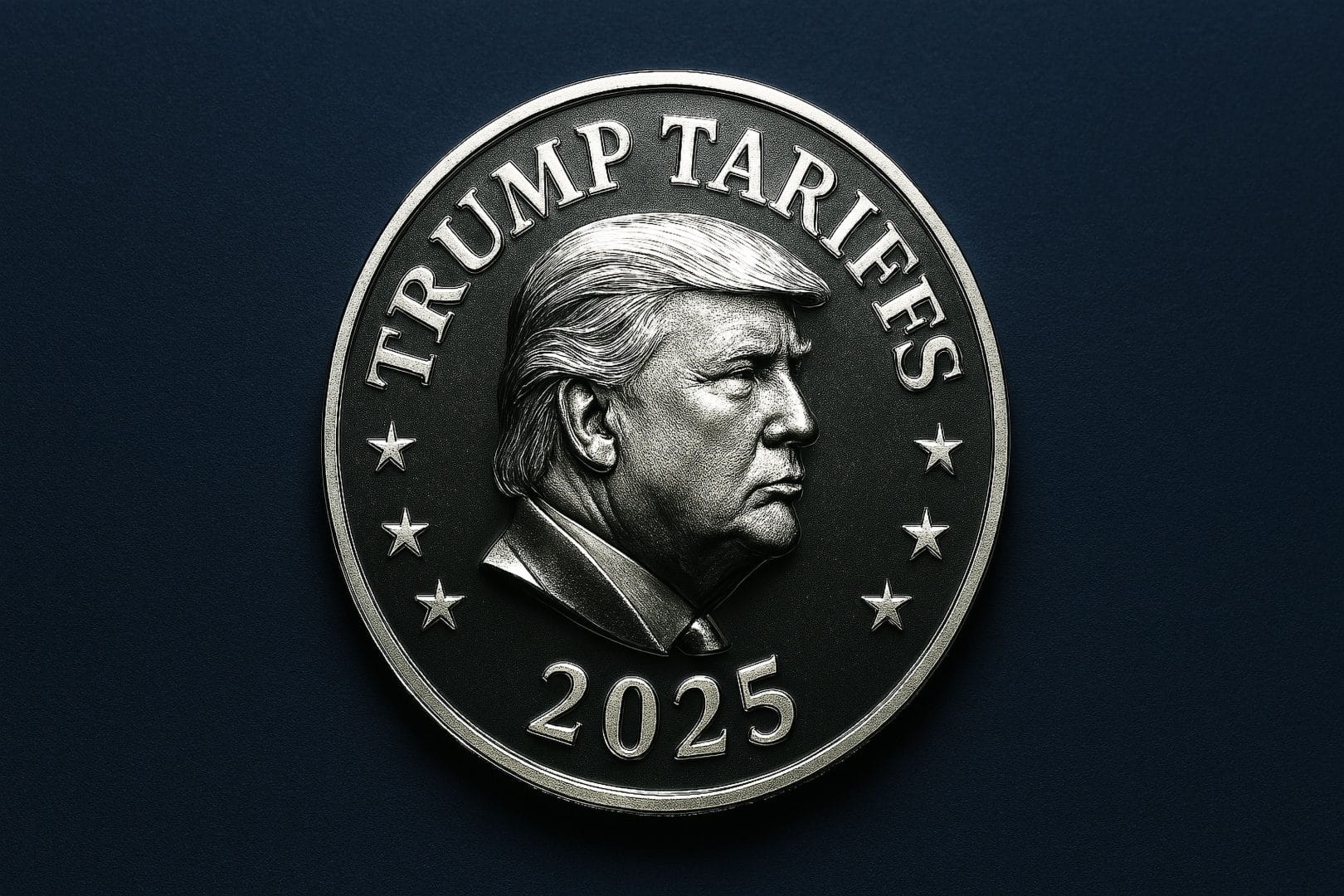
The U.S. Trade Representative has proposed a 100 percent tariff on all Nicaraguan imports, including handmade cigars. If enacted, this move could severely impact the American premium cigar market, where Nicaragua remains the leading exporter.
Washington Targets Nicaragua with New Sanctions
On October 20, 2025, the Office of the U.S. Trade Representative (USTR) announced a potential wave of trade sanctions against Nicaragua. The most significant proposal would impose a 100 percent tariff on all Nicaraguan products and suspend the country’s rights under the Dominican Republic–Central America–United States Free Trade Agreement (CAFTA-DR).
This proposed measure follows a series of allegations against the Nicaraguan government, including claims of human rights violations, political repression, and forced labour. The USTR opened a public comment period, which will remain active until November 19, 2025.
Background: Ongoing Trade and Human Rights Concerns
Tensions between the U.S. and Nicaragua are not new. The Biden administration previously investigated whether Nicaragua’s textile industry benefited from forced or child labour, potentially breaching CAFTA-DR rules.
One major complaint came from Milliken & Company, a leading American textile producer. The company accused a Chinese-owned manufacturer in Nicaragua of using cotton sourced from Xinjiang, China, a region known for alleged forced labour involving the Uyghur minority.
While the Trump administration has now escalated the response, these concerns have built over several years of growing unease with President Daniel Ortega and Vice President Rosario Murillo’s regime.
USTR Report Alleges Widespread Human Rights Violations
The new 46-page USTR report goes far beyond trade issues. It accuses the Nicaraguan government of “gross violations of human rights”, including extrajudicial killings, torture, forced exile, and the stripping of citizenship.
Some of the report’s contents have been referred to the U.S. State Department for further investigation. According to the USTR, evidence remains sensitive, and additional findings may be classified.
For many observers, these claims echo long-standing criticisms. Since 2018, the Ortega-Murillo government has faced international condemnation for its violent response to pension protests, its use of paramilitary groups, and its aggressive crackdown on journalists and opposition voices.
Four Possible U.S. Trade Actions
The USTR outlines four potential outcomes:
- Suspend all CAFTA-DR benefits for Nicaragua, including tariff reductions and regional trade privileges, either immediately or within 12 months.
- Suspend selected CAFTA-DR benefits, with implementation phased over the same period.
- Impose tariffs of up to 100 percent on all Nicaraguan imports, either instantly or gradually over 12 months.
- Apply 100 percent tariffs to selected sectors, with further tariffs introduced later.
Each scenario would dramatically alter Nicaragua’s trade position, particularly within industries dependent on the U.S. market.
Cigar Industry Faces Major Uncertainty
Although the USTR report does not name cigars directly, it does reference child labour in tobacco production. According to the U.S. Department of Labor, child labour in Nicaragua is most prevalent in agriculture, including livestock, coffee, bananas, and tobacco.
Nicaragua currently holds the title of largest exporter of handmade cigars to the United States. These cigars face an 18 percent import tariff under current trade rules. A 100 percent rate would represent a massive increase, likely leading to price hikes, reduced imports, and economic pressure on Nicaraguan cigar factories.
The potential fallout could affect brands such as Padrón, My Father, AJ Fernandez, Drew Estate, and many others that rely on Nicaraguan manufacturing and exports.
Industry Watches Closely
The premium cigar industry is now awaiting clarity. Stakeholders from manufacturers to retailers are expected to participate in the public comment period, voicing concern over how such measures could devastate the sector.
If enacted, these tariffs could reshape the global cigar supply chain and drive costs for consumers across the United States and beyond.
Industry Impact: Key Facts & Figures
- Nicaragua remains the largest exporter of handmade premium cigars to the United States. In 2023 it shipped approximately 246.3 million cigars to the U.S. alone.
- The tobacco export sector (HS code 2402: cigars, cheroots, cigarillos & cigarettes) accounted for about US$425 million of Nicaraguan exports in 2023. The U.S. market represented roughly 83% of that value.
- Leading Nicaraguan cigar manufacturers include Drew Estate Tobacco Company SA (about 20% of shipments), Scandinavian Tobacco Group Estelí SA (circa 16%) and others.
- Any tariff increase (such as a proposed 100 % tariff) would likely force considerable price hikes, import reductions, and possibly factory disruptions among U.S.-facing brands.
- Some major brands built around Nicaraguan production include Padron, Oliva and My Father—all with deep ties to Nicaraguan factories and tobacco leaf.