Fertilizer Shortages Hurt Cuban Tobacco Crops
While Cuban cigars are usually high prized, with prices going up to hundreds of dollars for the high-end, hard to find cigars, farmers such as Yurisniel Cabrera only make a few hundred dollars a year. Cabrera is a fourth generation tobacco grower in Cuba and grows tobacco for Tacuba, the state agency who produces all the acclaimed Cuban cigars.
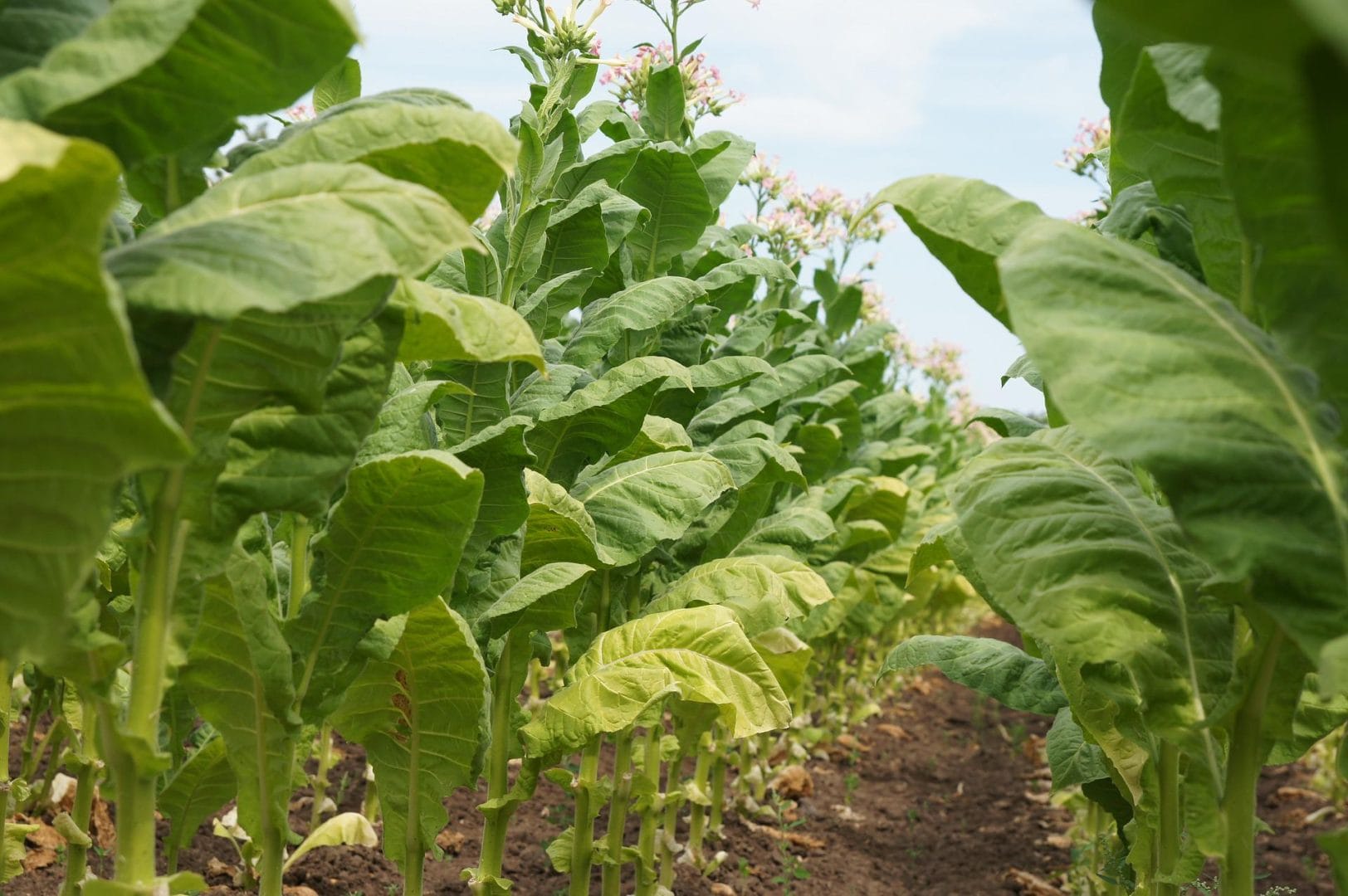
This year looks to be even bleaker for farmers such as Cabrera. The Cuban economy is at its worst point of the last 30 years and the country is running low on fertilizer and pesticides. Cabrera says that the harvest is not of good quality and he explains that the cause is a lack of fertilizer and pesticide.
Cabrera, who’s farm is in Pinar del Rio, sells 95% of his yield to Tabacuba. The other 5% is for private use, although many farmers make “farm roll” cigars that they sell to tourists.
In Cuba, the government provides pesticides and fertilizers to state-run cooperatives, and sets the price at which farmers can obtain them. Tabacuba also determines the price that the farmers get for their tobacco.
“I have to buy all the product from them (the authorities),” explains farmer Livan Aguiar, 49, from the settlement of San Juan and Martinez, near Vinales. “They give me the fertilizer, the fungicide… at the end of the harvest they charge me for everything,” he says while cutting tobacco on the land he uses on a state usufruct. Aguiar is also worried that the quality of the tobacco is going to be low due to the shortages.
Tabacuba executive Pavel Noe Caseres explains that importing agricultural chemicals had been “complicated” this season, due to logistical bottlenecks caused by the coronavirus pandemic, and ongoing US sanctions. The harvest has fallen from 32,000 tons in 2017 to 25,800 in 2020 and will likely reach only 22,000 tons this season, he estimates.
Even though Cabrera sowed 25.000 plants, the same as last year, but expects that he will only get 550 kilo, or 1200 pounds of tobacco. That’s half of last year’s crop. And last year, he only made about 800 USD. This year it’s less, so Cabrera will focus more on growing crops like corn and beans to feed his family.
Like his father, grandfather and great-grandfather before him, Cabrera lovingly cures the tobacco leaves, once dried, in a special concoction that includes guava leaf, honey and rum mixed into water. It is a long process, requiring mastery, for which he reaps little financial reward.