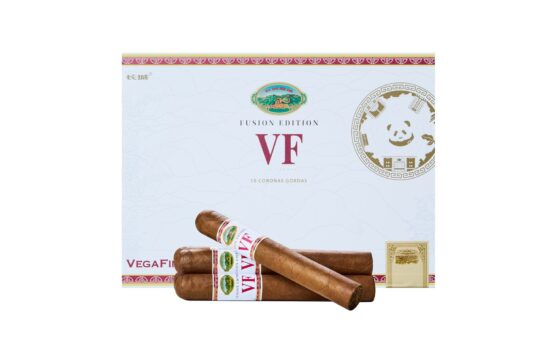
New U.S. Tariffs Target Some Nicaraguan Goods but Exempt Premium Cigars
The U.S. government has announced future tariffs on selected Nicaraguan imports. Cigars appear exempt due to existing CAFTA-DR protections.
Understanding the New Tariff Framework
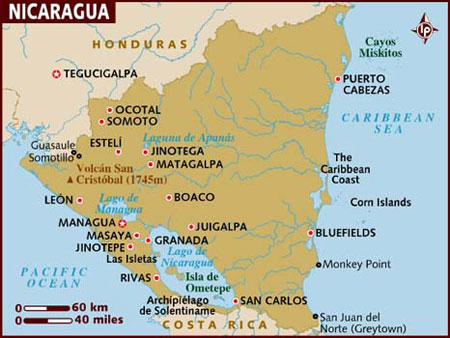
The U.S. government has introduced a new tariff scheme for Nicaraguan imports. The decision follows an extensive investigation into human rights concerns and potential CAFTA-DR violations. These new tariffs will not take effect until 2027 and differ from earlier measures imposed in 2024.
In April, the Trump administration applied an 18 percent tariff on all Nicaraguan imports. This action was later revised in August. The new tariff, set at 15 percent by 2028, applies only to goods not covered by CAFTA-DR. Cigars qualify for protection under that agreement when they meet the “Rules of Origin” requirements. Industry sources therefore expect no direct impact on cigar imports.
Tariff Timeline and Potential Cumulative Impact
The tariff schedule introduces gradual increases:
1 Jan 2026 — 0 percent
1 Jan 2027 — 10 percent
1 Jan 2028 — 15 percent
Should the existing 18 percent tariff remain in place, some goods may face an effective rate of 33 percent by 2028. The entire Trump-era tariff scheme has been ruled illegal, though the Supreme Court has not yet delivered a final decision. Future legal or political changes could alter the landscape.
Why Cigars Are Expected to Remain Exempt
Manufacturers and importers cite CAFTA-DR as the critical factor. As long as cigars satisfy the agreement’s origin rules, they remain exempt from additional tariffs. Several stakeholders submitted comments to the USTR urging cigar exemptions. The USTR acknowledged these concerns in its final report. The phased design aims to reduce disruption to U.S. companies operating in Nicaragua.
Background of the Investigation
The tariffs stem from a USTR investigation launched in 2024. Milliken & Company filed a complaint accusing a Chinese-owned textile factory in Nicaragua of using cotton from Xinjiang. Xinjiang remains a region associated with Uyghur forced-labour concerns. The October interim report from the USTR documented broader human rights violations by the Nicaraguan government. These include alleged assassinations, torture, trafficking, forced exile, and revocation of citizenship.
Policy Options Considered
The USTR evaluated four major actions:
Suspend all CAFTA-DR benefits to Nicaragua.
Suspend selected CAFTA-DR benefits.
Impose up to 100 percent tariffs on all Nicaraguan imports.
Impose up to 100 percent tariffs on selected imports.
The fourth option was chosen, implemented with the least severe impact. This approach includes a 12-month phase-in and relatively low tariff levels.
Industry Response and USTR Rationale
The USTR received more than 2,000 public comments. Many emphasised the economic damage that broad sanctions could cause. The final decision reflects these concerns. By targeting only non-CAFTA-DR goods, the USTR seeks to pressure the Nicaraguan government while limiting harm to U.S. businesses.
According to the USTR, the gradual increases provide companies time to shift production to other CAFTA-DR countries if needed. The measured design aims to balance geopolitical pressure with economic stability.